PondSustain – Assessing the Ecological and Economic Impact of Fish Ponds in Croatia and Hungary towards More Sustainable and Climate-Resilient Aquaculture is a cross-border cooperation project co-funded by the Interreg VI-A Hungary–Croatia Programme 2021–2027. The project brings together the Faculty of Food Technology Osijek (Croatia) as the Lead Partner and the Hungarian University of Agriculture and Life Sciences (MATE), Institute of Aquaculture and Environmental Safety (Hungary) as the project partner. By combining scientific expertise, field experience, and international collaboration, PondSustain aims to strengthen the sustainable management of fish pond ecosystems in the Croatian–Hungarian border region.
Fish ponds are among the most valuable freshwater ecosystems in Central Europe. In addition to supporting aquaculture production, they provide a wide range of ecosystem services, including water retention, biodiversity conservation, flood mitigation, nutrient cycling, and recreational opportunities. They serve as important habitats for numerous fish species, amphibians, aquatic plants, waterbirds, and other wildlife. At the same time, fish pond management plays a crucial role in ensuring food production and sustaining local economies. However, these ecosystems are increasingly exposed to environmental pressures such as climate change, prolonged droughts, fluctuating water availability, nutrient enrichment, habitat degradation, invasive species, and growing conflicts between aquaculture production and wildlife conservation.
The overall objective of the PondSustain project is to improve the understanding of the ecological and economic importance of fish ponds and to provide scientific evidence that supports sustainable and climate-resilient aquaculture management. The project seeks to develop practical recommendations that balance fish production with biodiversity conservation while increasing the resilience of freshwater ecosystems to future environmental challenges.
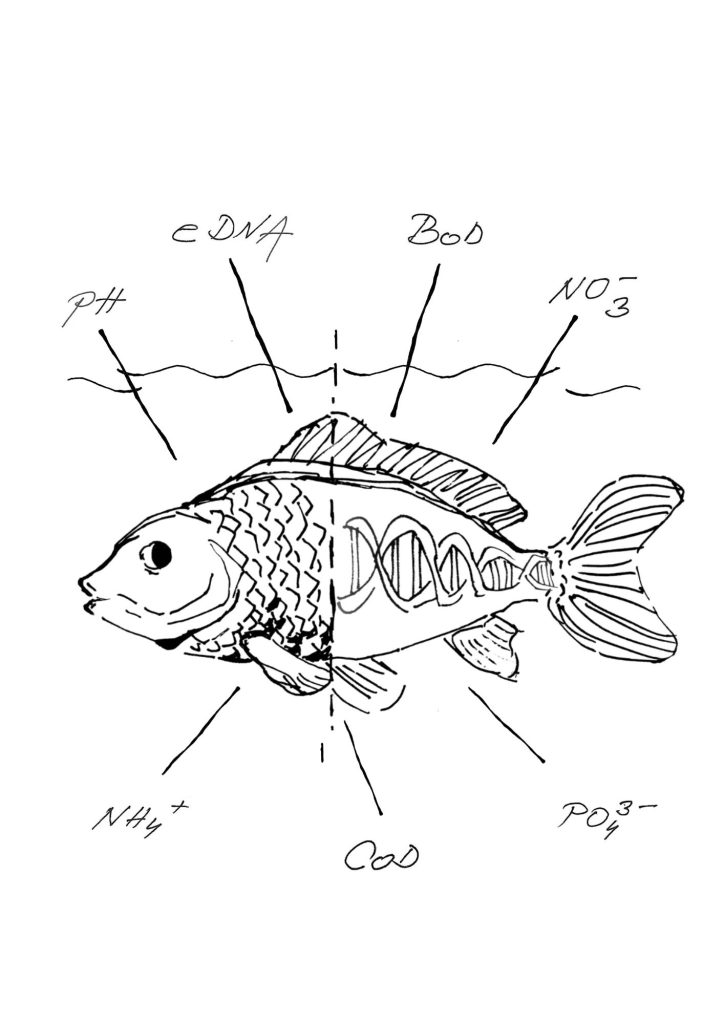
To achieve these objectives, comprehensive field investigations are being carried out at selected fish ponds in Croatia and Hungary. Water samples are collected seasonally and analysed using internationally recognised analytical methods to determine key physicochemical parameters, including temperature, pH, dissolved oxygen, electrical conductivity, nutrients, organic matter, and other indicators of water quality. These analyses provide valuable information on the ecological condition of fish pond ecosystems and help identify potential environmental pressures affecting aquatic habitats.
An important innovation of the project is the application of environmental DNA (eDNA) technology. By analysing genetic material naturally released into the water by aquatic organisms, researchers can assess fish biodiversity without disturbing the ecosystem. This modern molecular approach enables efficient detection of native, protected, endangered, and invasive fish species and provides a comprehensive understanding of species distribution within the investigated fish ponds. The results of eDNA analyses will complement conventional ecological surveys and contribute to more effective biodiversity monitoring. In addition to water quality assessment and biodiversity monitoring, the project also investigates interactions between fish production and wildlife, particularly the impact of fish-eating birds such as the great cormorant (Phalacrocorax carbo). Understanding these ecological interactions is essential for developing balanced management strategies that support both aquaculture productivity and nature conservation.
Beyond scientific research, PondSustain places strong emphasis on knowledge transfer and stakeholder engagement. Fish farmers, researchers, environmental authorities, local communities, and policy makers are actively involved through meetings, workshops, public events, and dissemination activities. The project promotes the exchange of knowledge and best practices across borders while encouraging the adoption of sustainable management approaches that can be applied throughout the region.
The outcomes of PondSustain will provide valuable scientific data, practical management recommendations, and long-term monitoring approaches that support sustainable aquaculture, protect freshwater biodiversity, and strengthen climate resilience. By integrating ecological research with socio-economic considerations, the project contributes to the preservation of fish pond ecosystems as essential natural and economic resources for future generations while reinforcing cross-border cooperation between Croatia and Hungary.
Project duration: 1 September 2024 – 31 August 2027

Project ID: HUHR/2401/2.4/083
This website has been produced with the financial assistance of the European Union through the Interreg VI-A Hungary-Croatia Programme. The content of the website is the sole responsibility of the University of Osijek Faculty of Food Technology Osijek and can under no circumstances be regarded as reflecting the position of the European Union and/or the Managing Authority of the Programme.