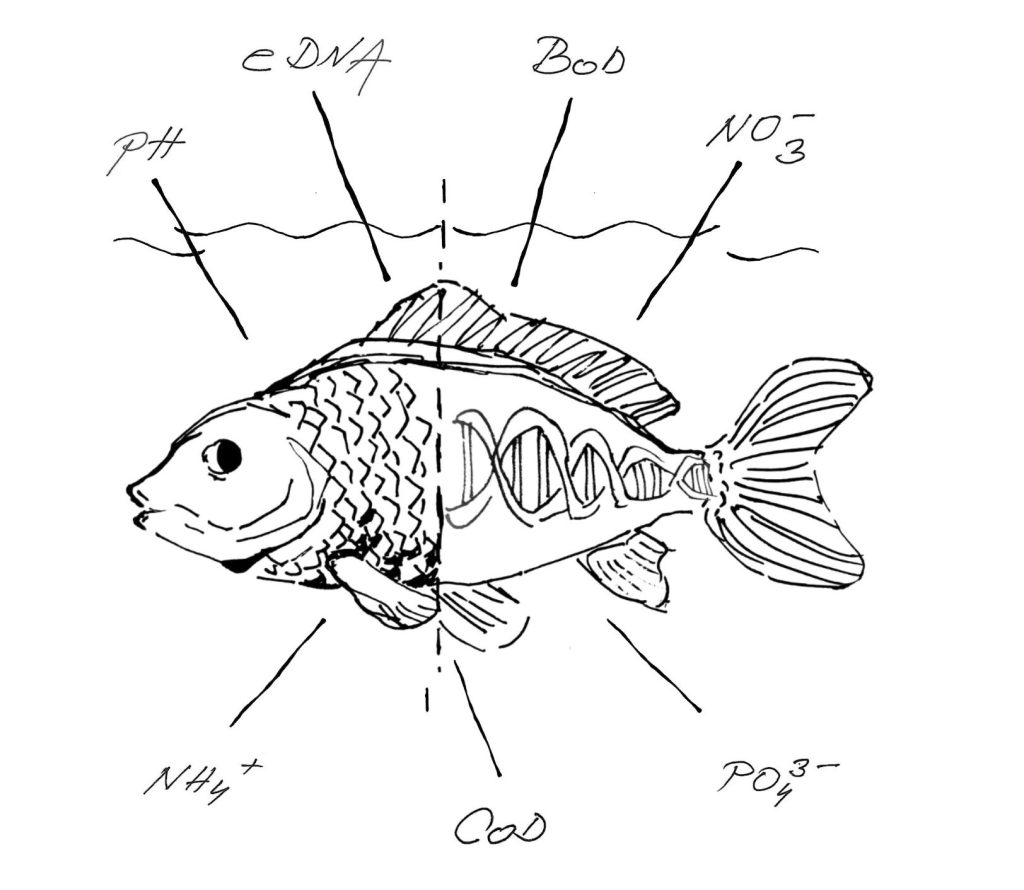
Second Sampling Campaign within the PondSustain Project Reveals the Growing Impact of Drought on Fish Pond Ecosystems in Croatia and Hungary
Octobar 30, 2026 by Mirna Habuda-Stanić
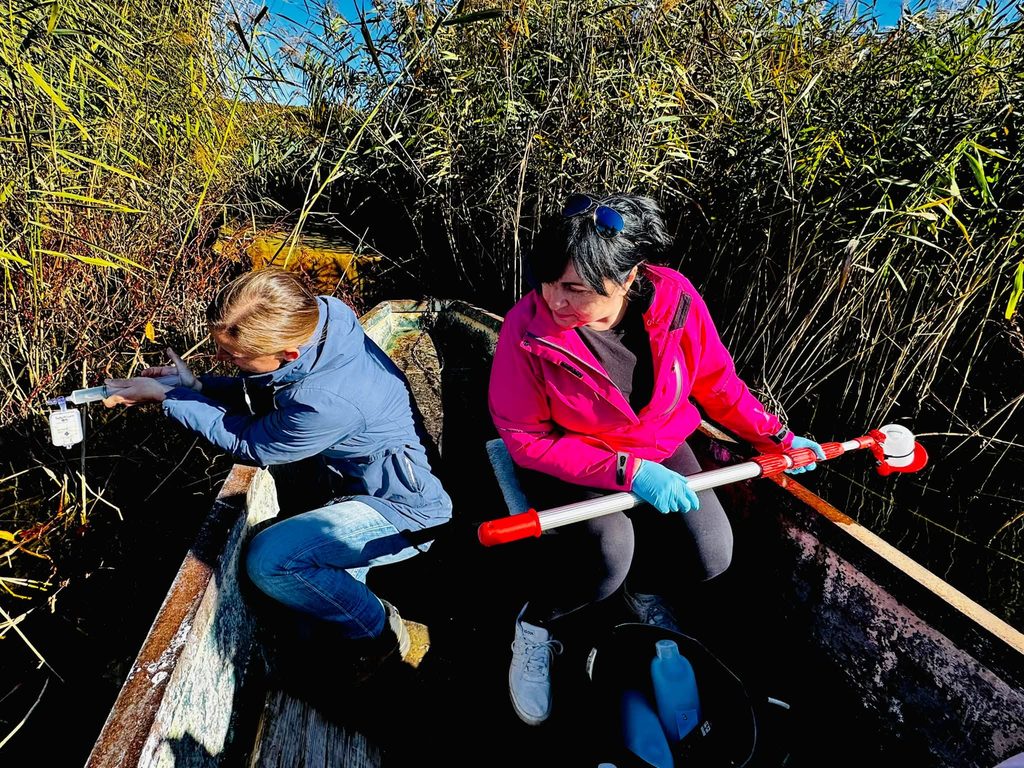
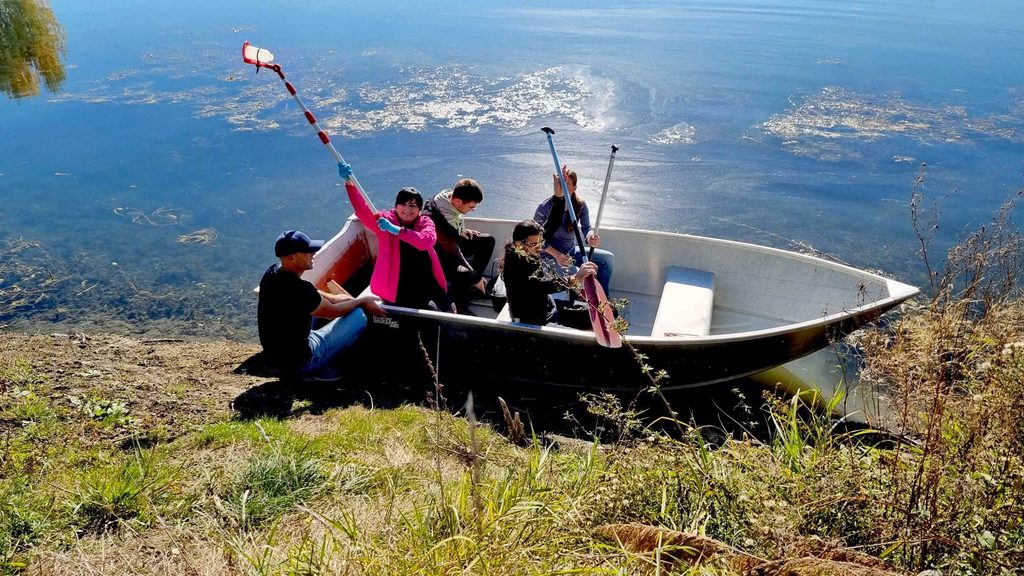
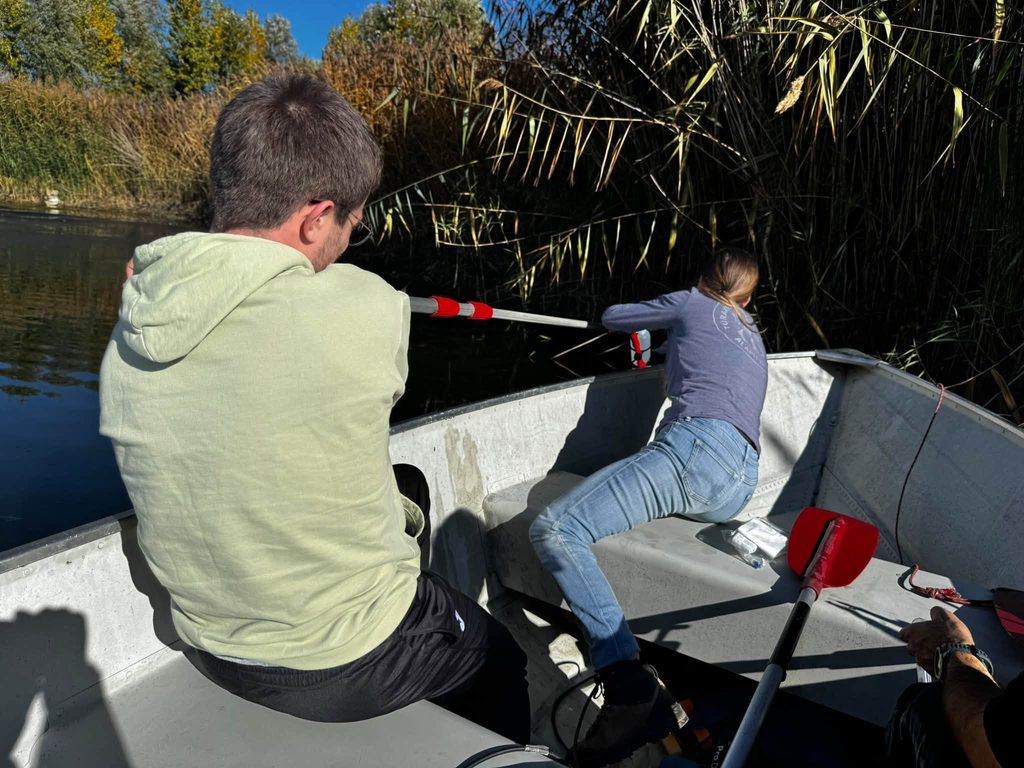
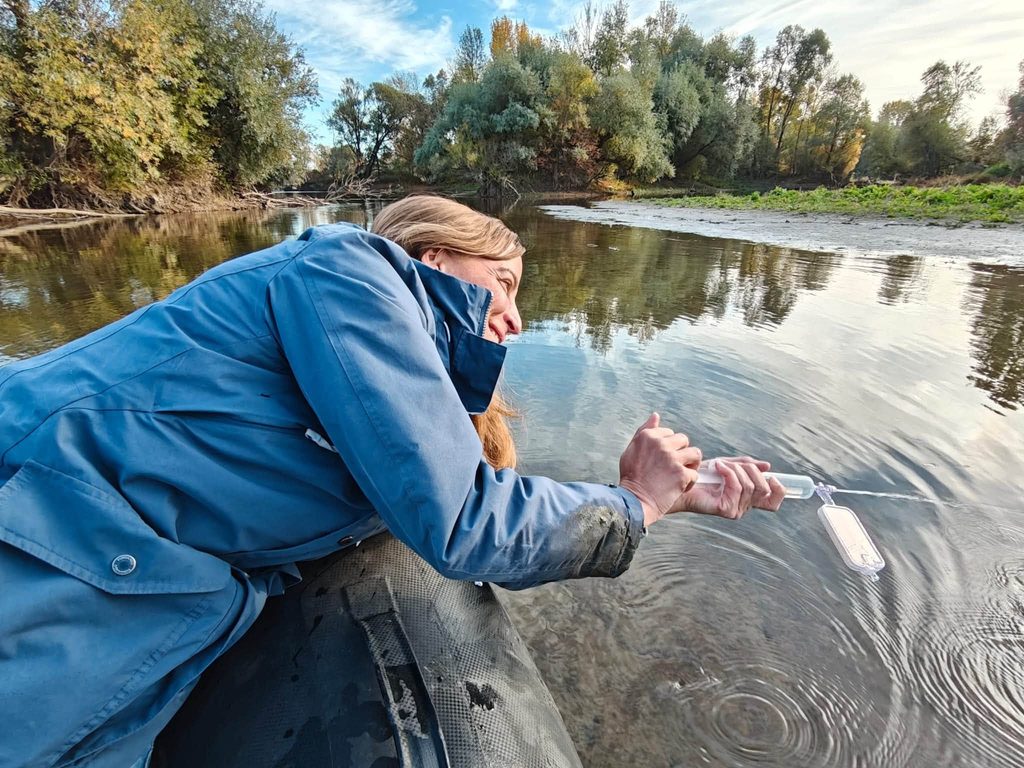
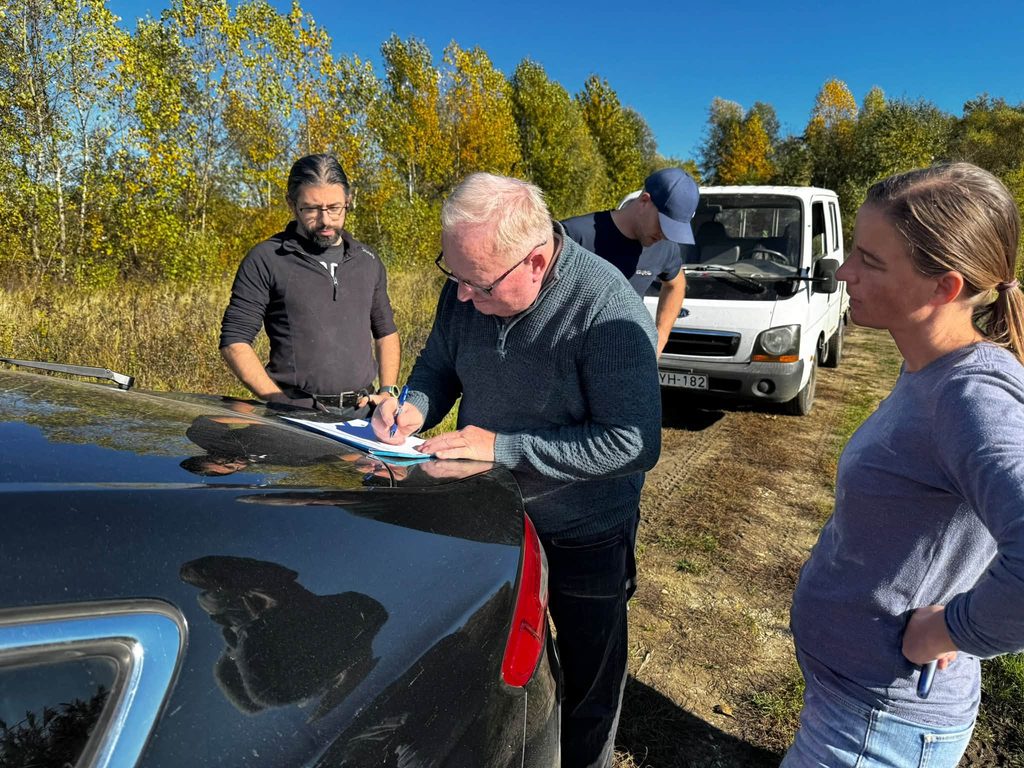
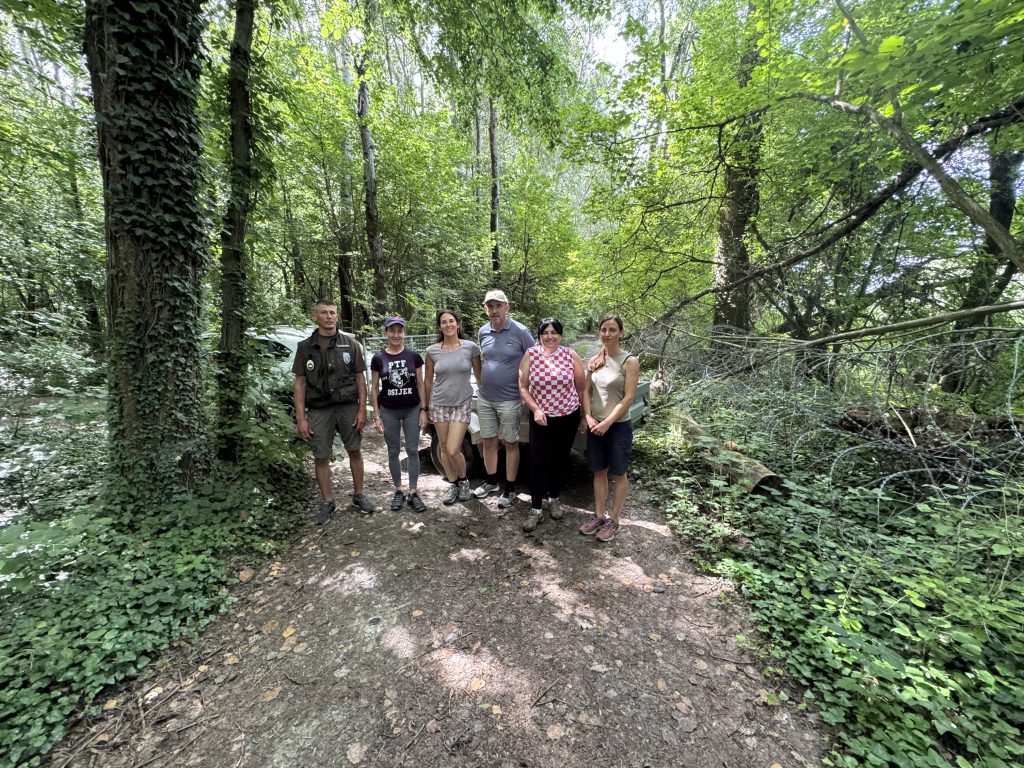
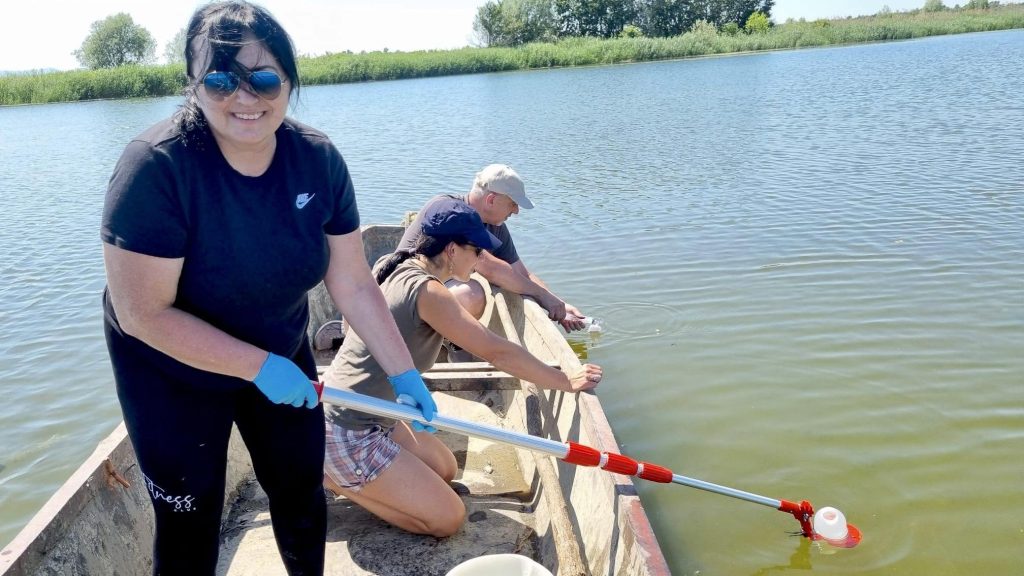
From 26 to 28 October 2026, the second joint sampling campaign was carried out within the international PondSustain project – Assessing the Ecological and Economic Impact of Fish Ponds in Croatia and Hungary towards More Sustainable and Climate-Resilient Aquaculture, implemented under the Interreg VI-A Hungary–Croatia 2021–2027 Programme. The field campaign brought together the Croatian project team from the Faculty of Food Technology Osijek (PTFOS), Josip Juraj Strossmayer University of Osijek, and their Hungarian partners from the Hungarian University of Agriculture and Life Sciences (MATE). Sampling activities were conducted at selected sites in Croatia and Hungary, providing an opportunity to assess current environmental conditions and compare the situation across different types of fish pond ecosystems.
Fieldwork in Croatia – Commercial Fish Ponds
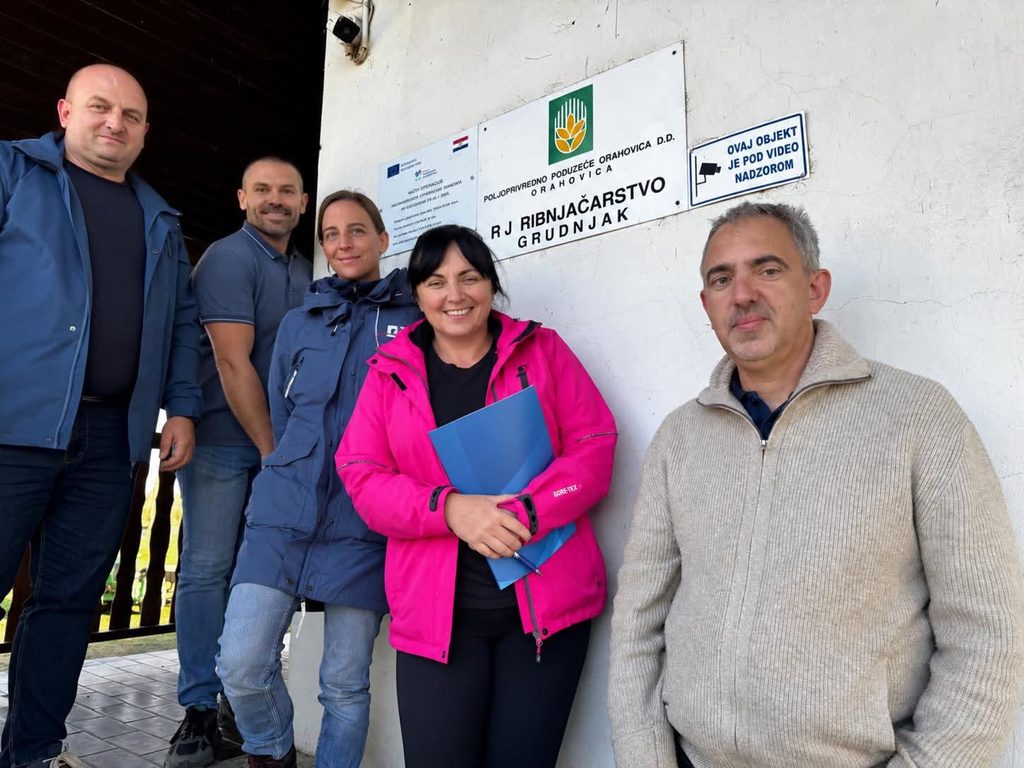
The first part of the campaign began at fish ponds managed by PP Orahovica. Compared with the previous sampling campaign, significantly different environmental conditions were observed.
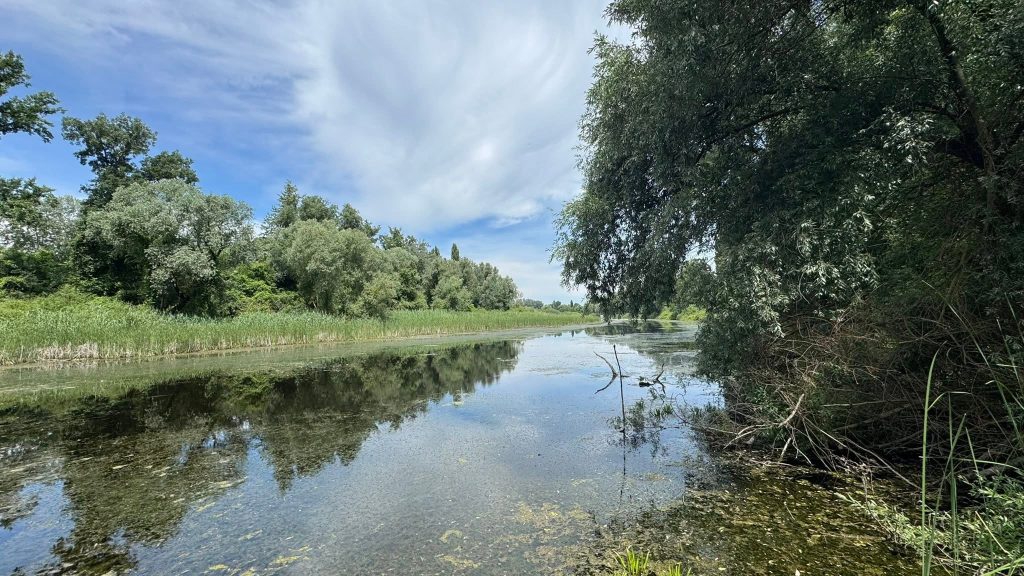
Severe water shortages, excessive aquatic vegetation growth and visibly deteriorating water quality highlighted the increasing challenges facing freshwater aquaculture. Particular recognition goes to PP Orahovica for its considerable efforts and investments in maintaining water quality and fish production, including the implementation of aeration measures to mitigate the effects of unfavourable conditions.
The extremely low water levels recorded in the Drava, Sava and Danube rivers during 2026 have further demonstrated the vulnerability of fish pond ecosystems to prolonged drought and hydrological extremes.
Fieldwork in Hungary – Recreational Fish Ponds
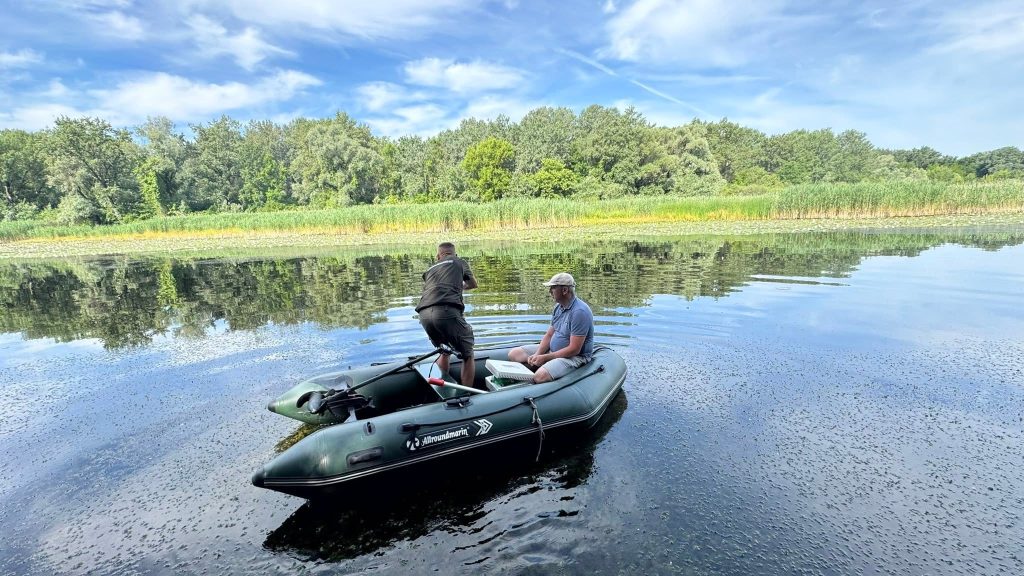
The second day of the campaign continued at recreational fish ponds in Hungary. Unlike the Croatian sites, which are primarily used for commercial fish farming, these locations provided an opportunity to examine the effects of water scarcity on fish ponds with different management purposes.
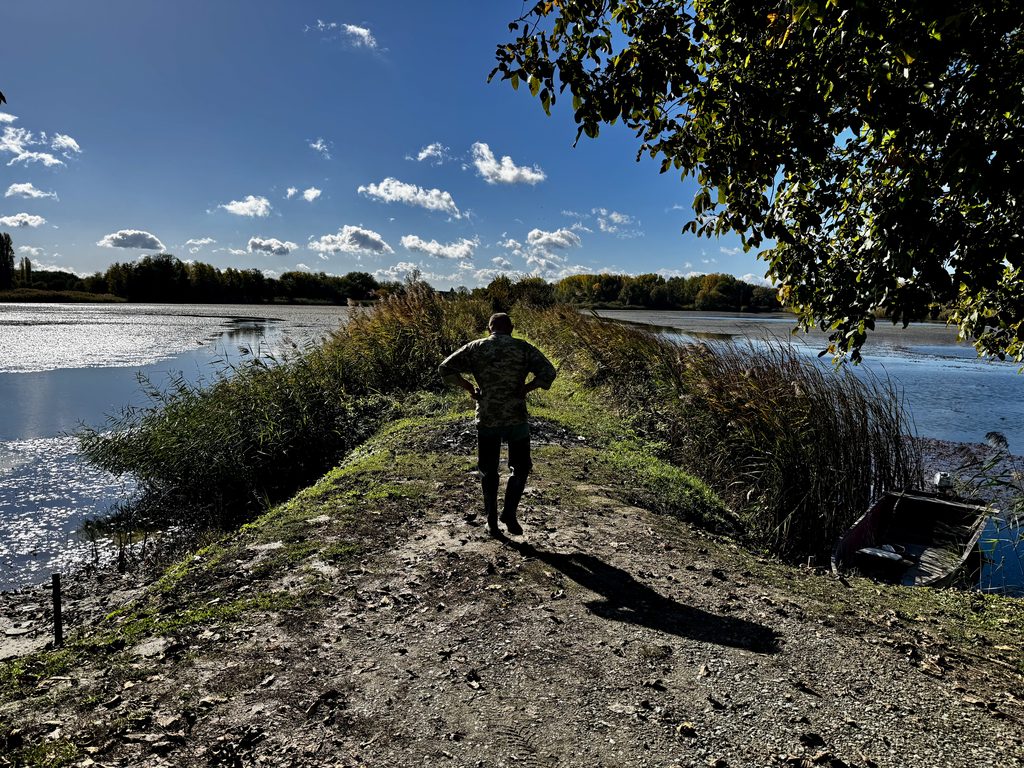
Despite the differences in their use, the environmental challenges were remarkably similar. At certain locations, water levels had dropped by as much as two metres, a situation also confirmed by local anglers who have been observing these changes over an extended period.
As in Croatia, additional water is being pumped into some fish ponds in an effort to mitigate the consequences of drought. The absence of significant rainfall towards the end of October further illustrates the intensity and prolonged duration of the current dry period.
These observations clearly demonstrate that climate change and water scarcity do not recognise national borders. Croatia and Hungary are facing similar challenges, with increasingly evident consequences for freshwater ecosystems and aquaculture.
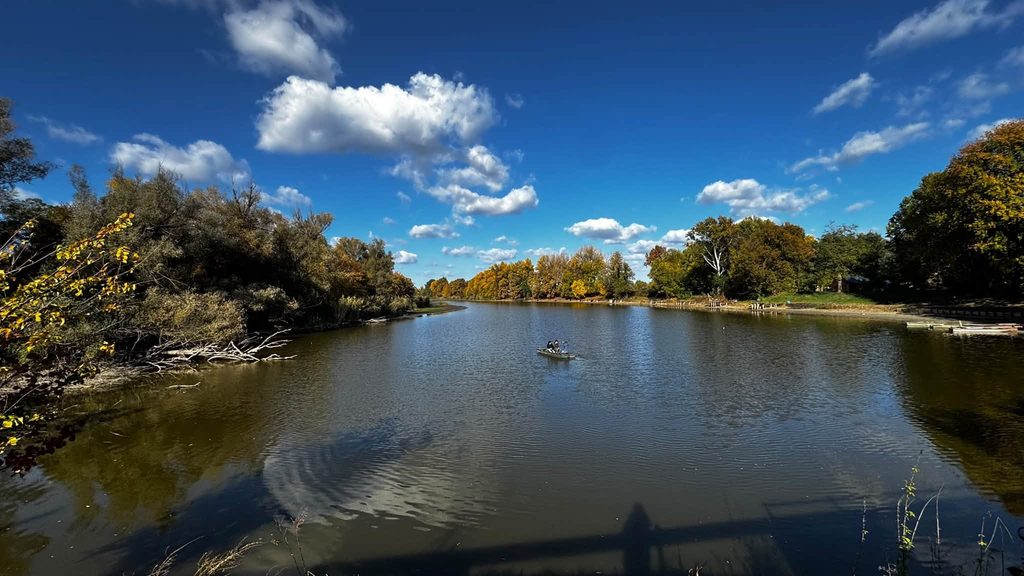
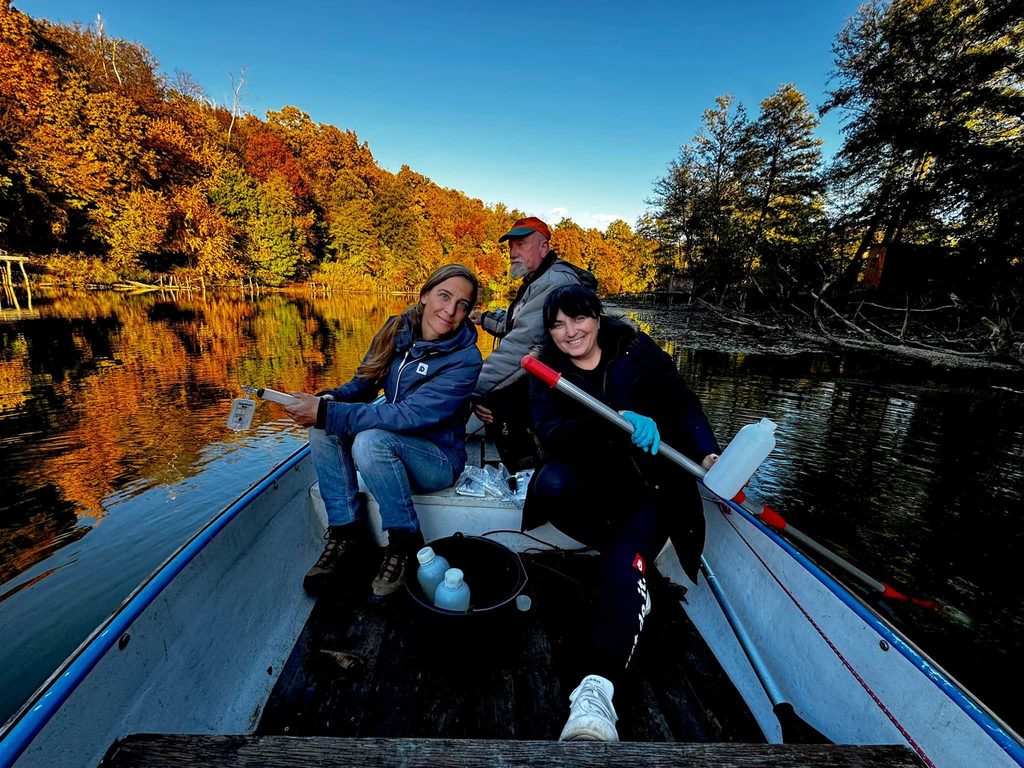
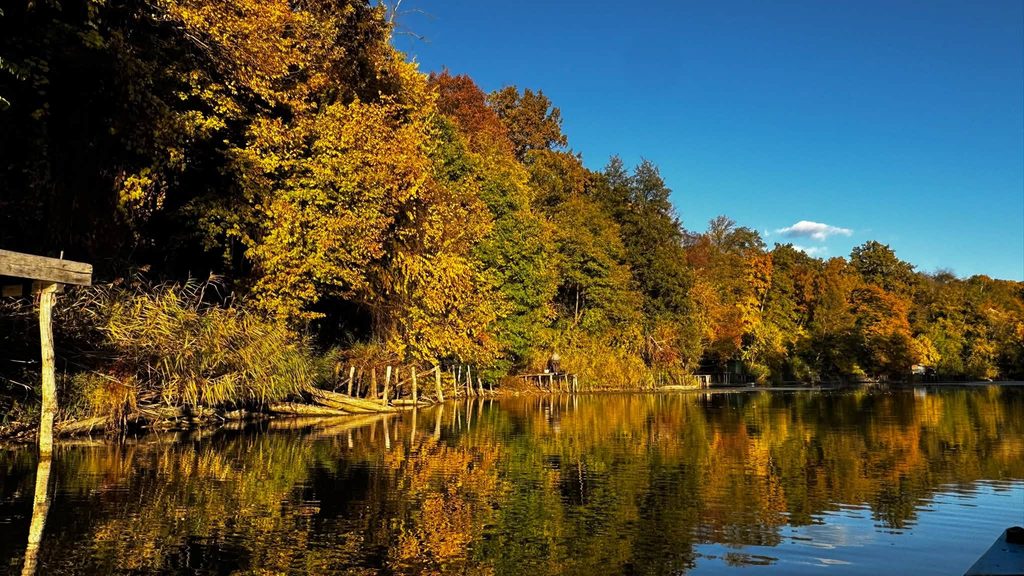
The Final Sampling Site – The Confluence of the Mura and Drava Rivers
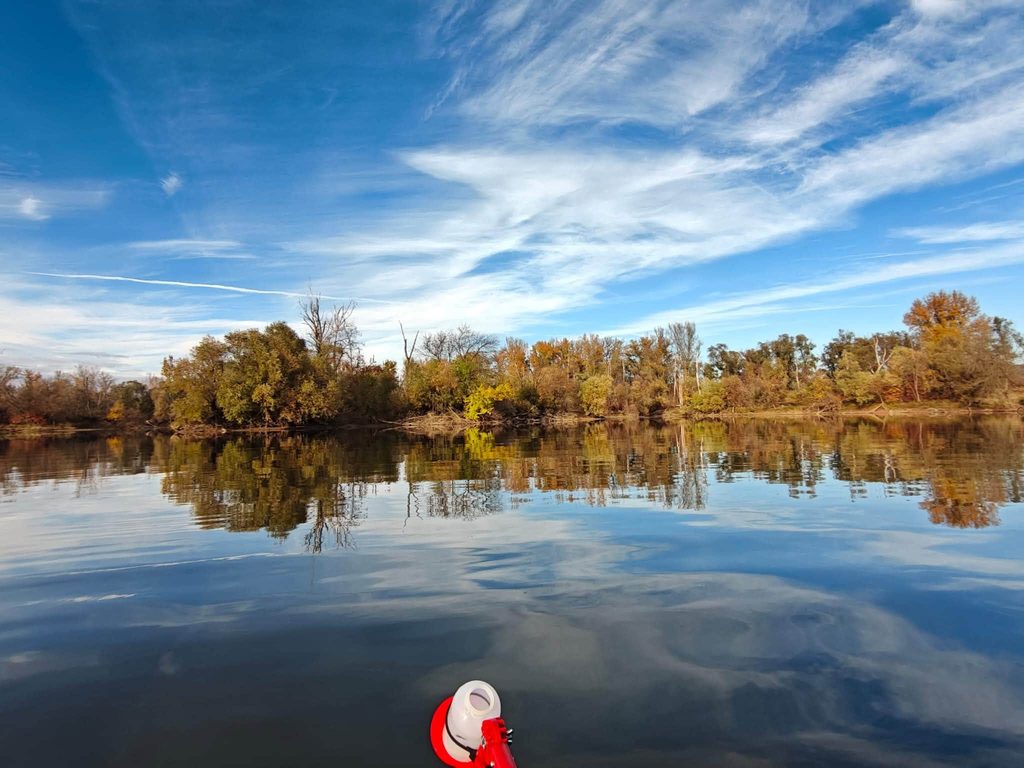
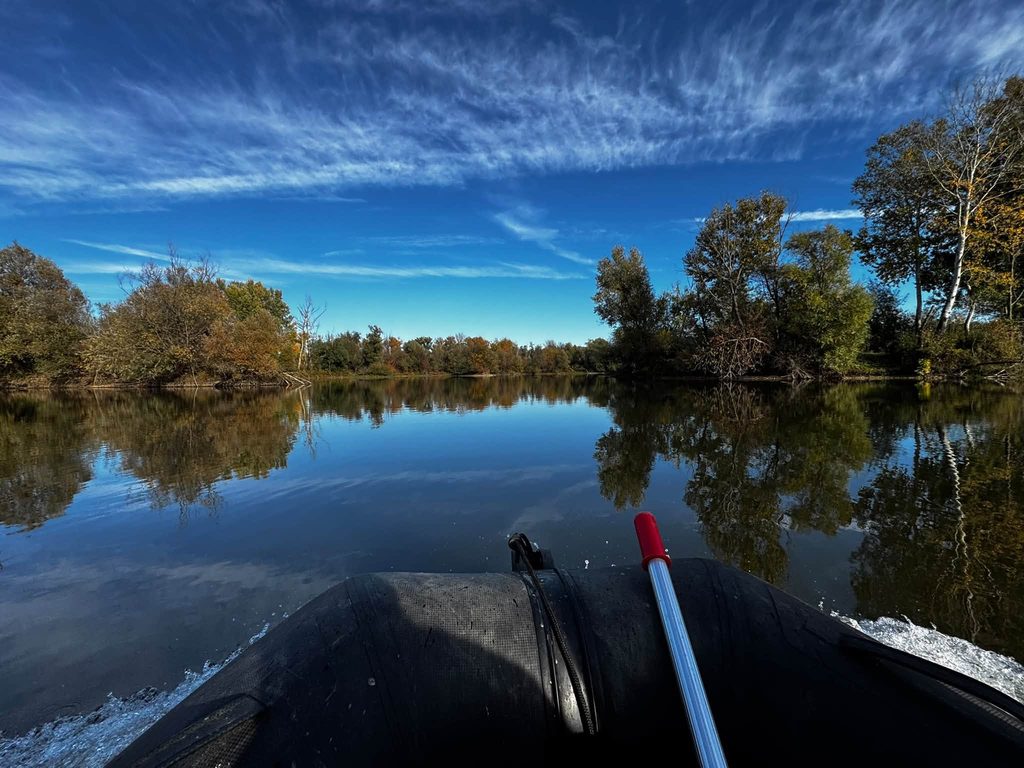
The final stage of the field campaign included sampling at the confluence of the Mura and Drava rivers, an ecologically valuable and distinctive natural area.
Once again, exceptionally low water levels were observed, confirming the extent of the prolonged drought affecting aquatic ecosystems in the region. Despite the concerning hydrological conditions, the unique natural landscape and autumn scenery provided a memorable conclusion to the fieldwork.
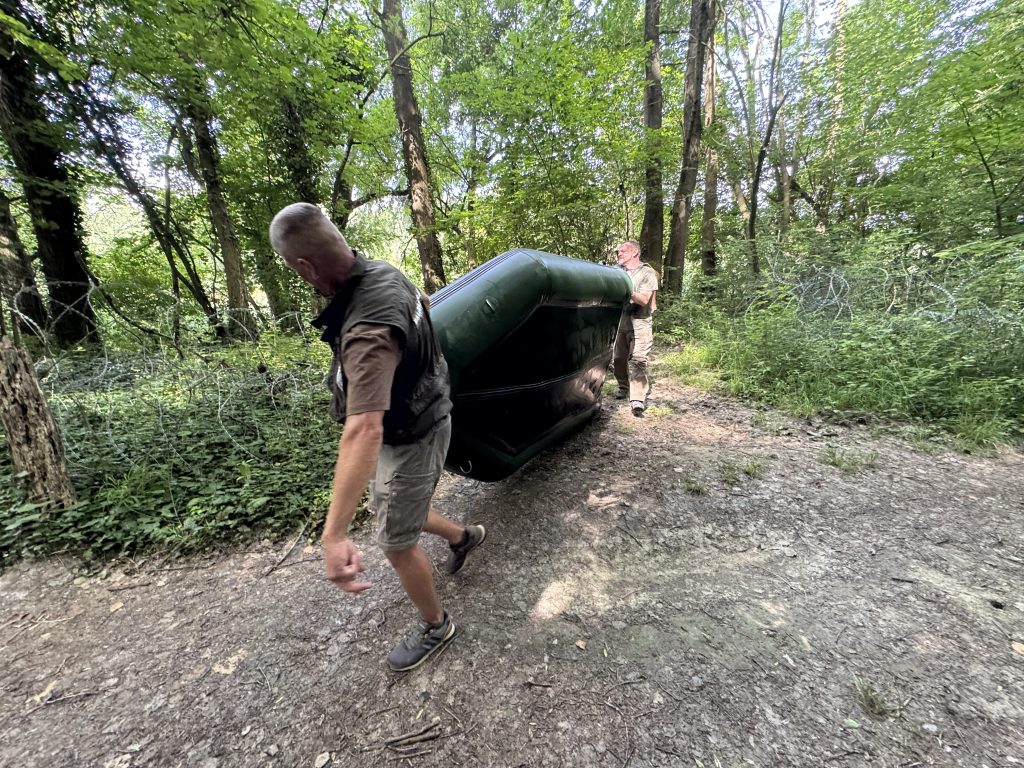
Special thanks go to all local guides and anglers who supported the research team throughout the campaign, generously providing their local knowledge, equipment and boats, and contributing significantly to the successful completion of the sampling activities.
From Fieldwork to Laboratory Research
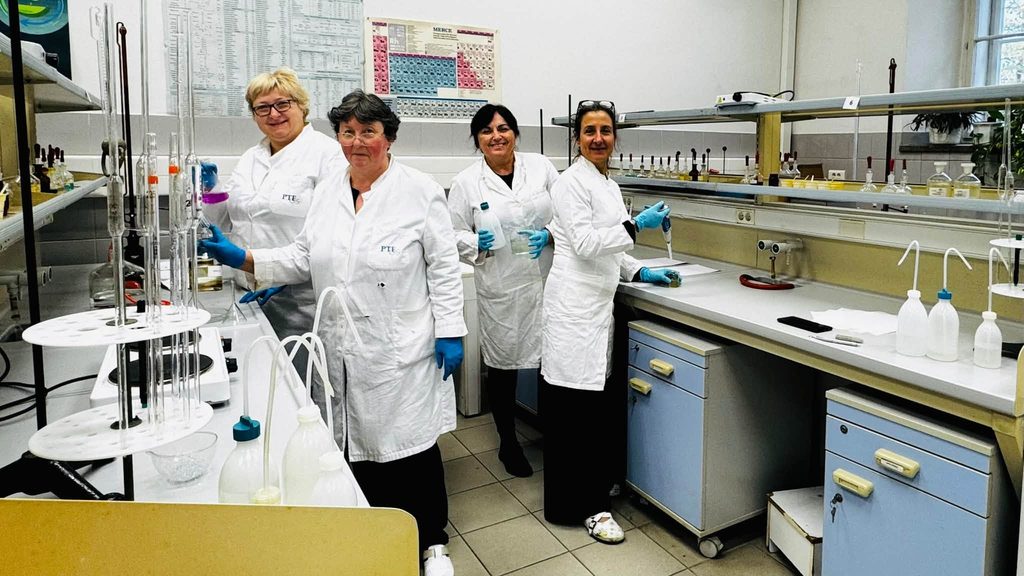
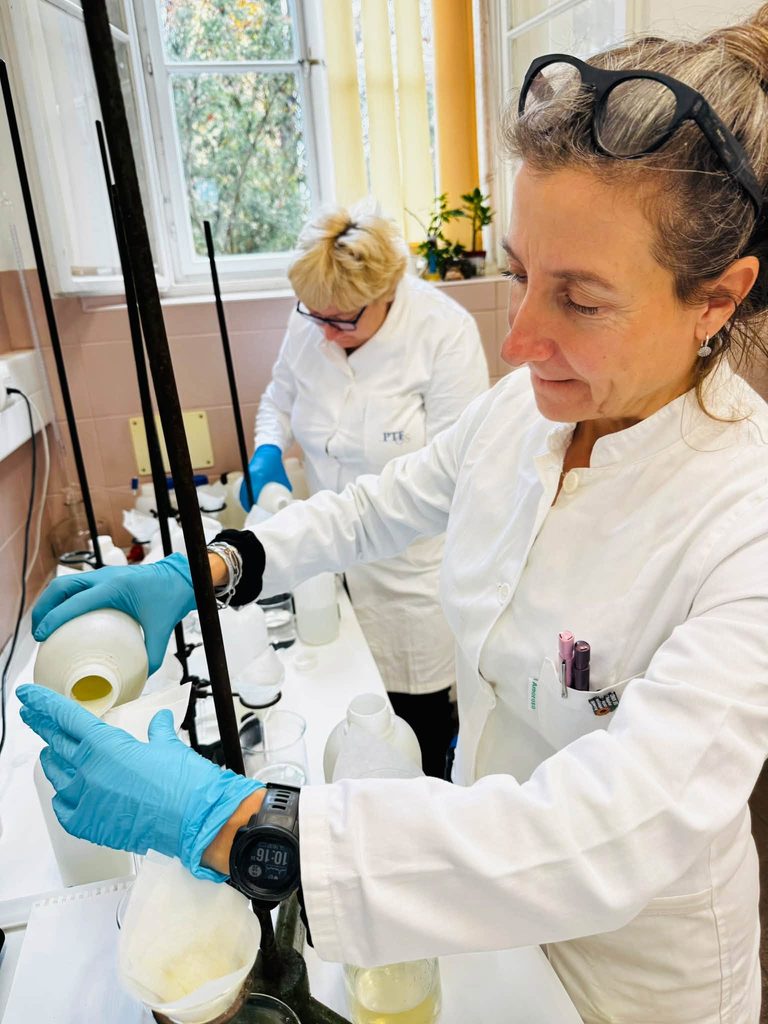
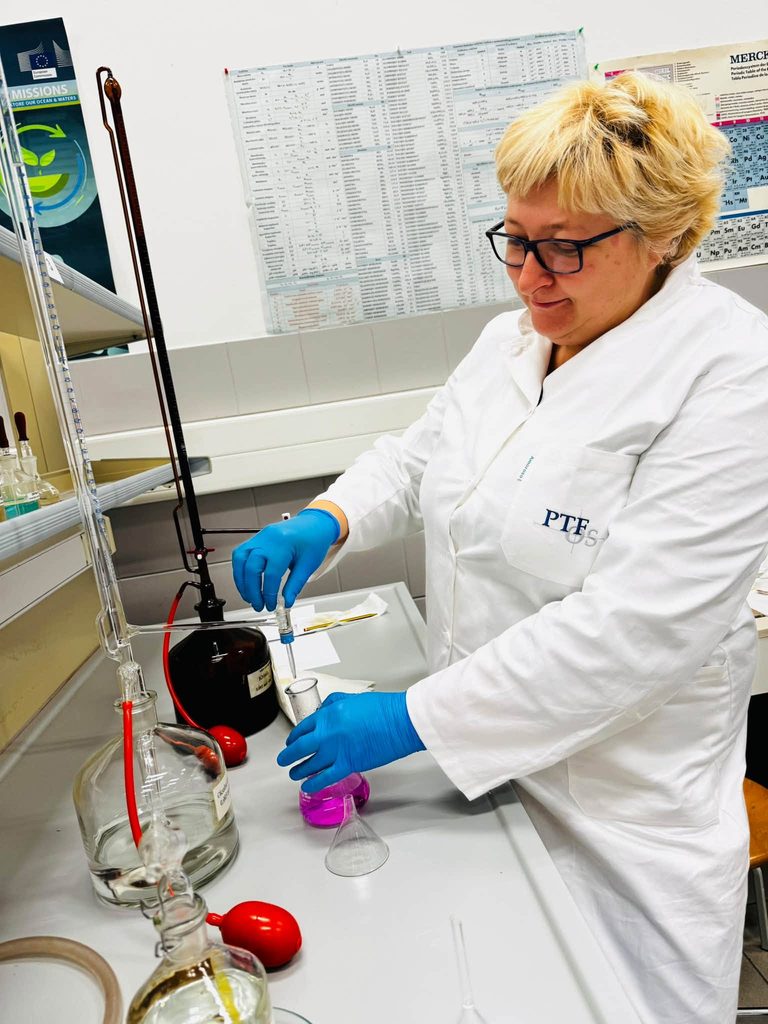
With the second sampling campaign successfully completed, the collected water samples are now being subjected to laboratory analyses. The results will provide further insight into water quality, environmental changes and the effects of increasingly pronounced climatic and hydrological extremes on fish pond ecosystems.
Within the PondSustain project, systematic monitoring of water quality and biodiversity, together with the assessment of environmental changes, represents an important foundation for developing science-based recommendations to improve the ecological sustainability and climate resilience of fish ponds and freshwater aquaculture.
The findings from both countries will contribute to a better understanding of the challenges faced by fish pond ecosystems and support the development of practical solutions for their sustainable management.
The second sampling campaign has once again confirmed the importance of cross-border scientific cooperation and joint efforts in addressing shared environmental challenges.
Climate change knows no borders, and water protection is a shared responsibility. Through PondSustain, Croatian and Hungarian partners continue to connect science, nature and local communities in pursuit of more sustainable and climate-resilient aquatic ecosystems.
Guest Appearance on Croatian National Television – “Zelena Linija” (Green Line)
Octobar 22, 2026 by Mirna Habuda-Stanić
In a time when climate change and global challenges are reshaping the concept of security, food production and water supply systems are becoming increasingly important pillars of national stability and resilience to crisis situations. These topics were discussed during the recent appearance of Prof. Mirna Habuda-Stanić, PhD, from the Faculty of Food Technology Osijek (PTFOS), on “Zelena Linija” (Green Line), a programme broadcast by Croatian Radiotelevision (HRT). The discussion addressed Croatia’s rich natural water resources, the importance of their protection and sustainable management, as well as the scientific knowledge and proactive measures needed to strengthen resilience to climate-related and other emerging challenges. The importance of international cooperation, including collaboration with partners such as NATO in the field of resilience and critical infrastructure protection, was also highlighted.
Particular attention was given to the PondSustain project, which explores the ecological and economic importance of fish ponds in Croatia and Hungary. Fish ponds are not only important sources of food and contributors to sustainable aquaculture, but also multifunctional aquatic ecosystems that play a valuable role in biodiversity conservation, water resource management and maintaining ecological balance. The discussion emphasised the need for an integrated approach to water and food security, recognising the close interdependence between healthy aquatic ecosystems, sustainable food production and climate resilience. Special thanks go to the programme editor and host, Mr Kornat Vilović, for the invitation and an engaging discussion on these important issues shaping our future.

PondSustain Presented at the 15th International Symposium “Kopački rit Yesterday, Today, Tomorrow 2026”
Octobar 2, 2026 by Mirna Habuda-Stanić
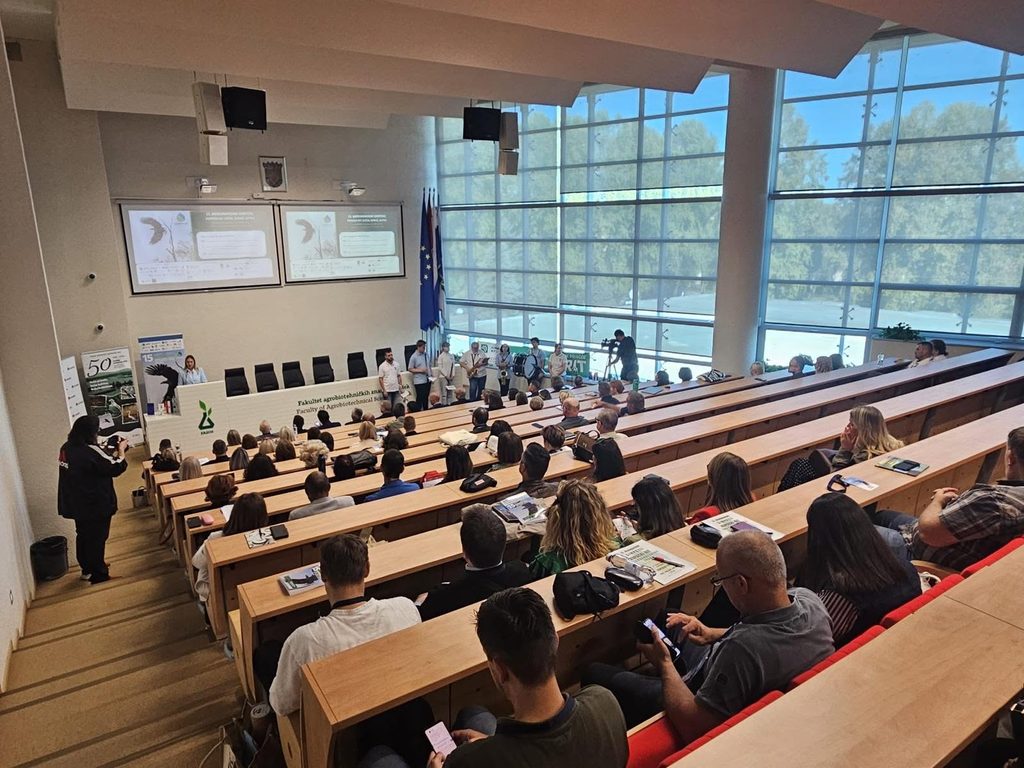
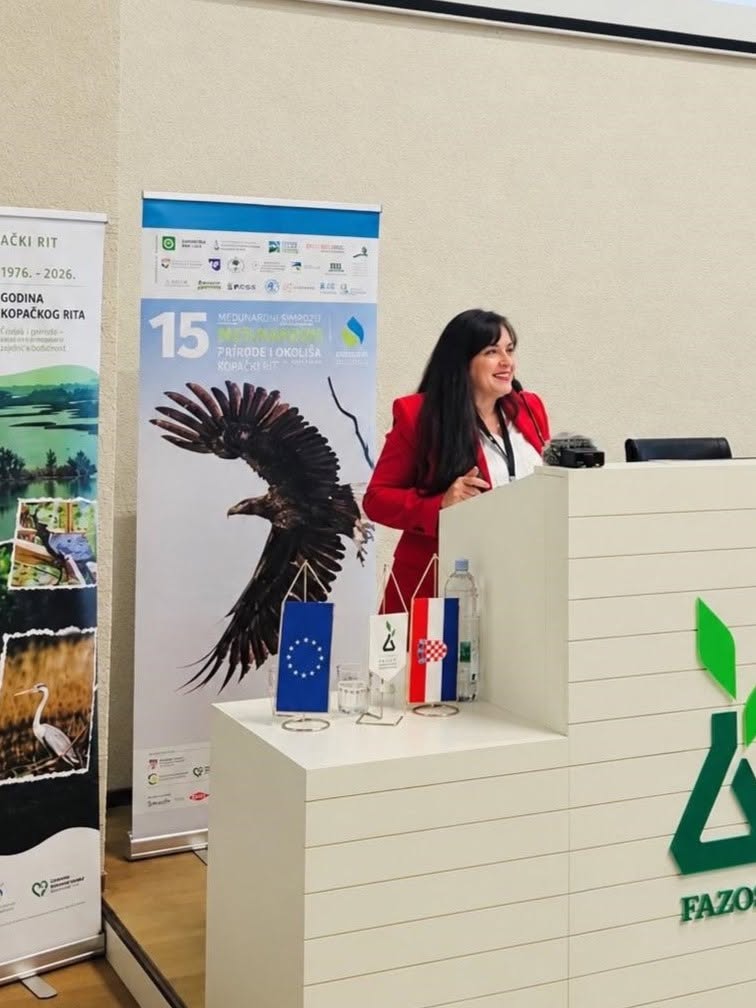
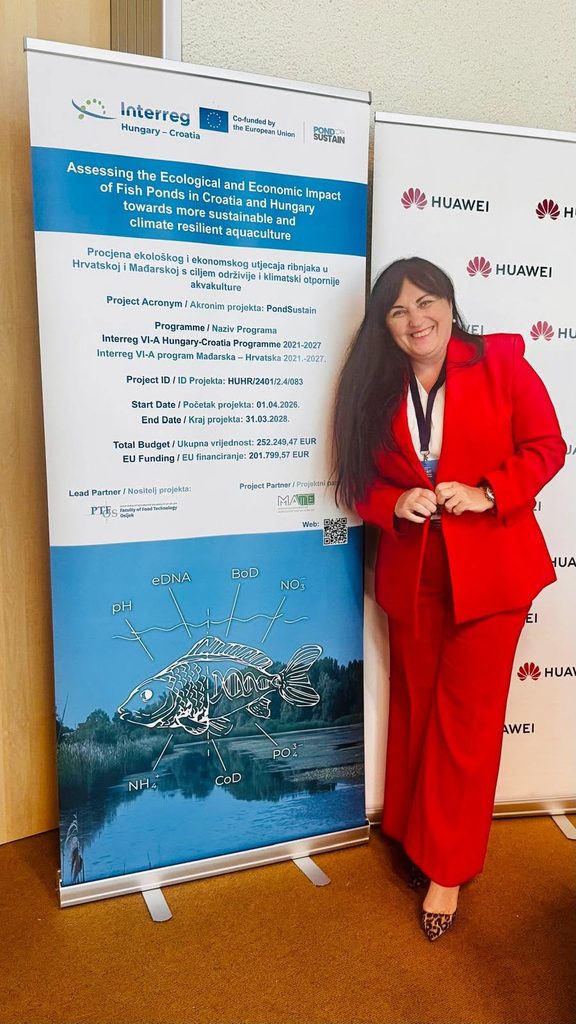
On 1–2 October 2026, the 15th International Symposium “Kopački rit Yesterday, Today, Tomorrow 2026” was held in Osijek, bringing together scientists, experts, representatives of public institutions and other stakeholders involved in nature conservation, water management and biodiversity protection. This year’s symposium was particularly significant as it marked the 50th anniversary of the legal protection of Kopački rit as a nature park and the 5th anniversary of the UNESCO Five-Country Biosphere Reserve Mura–Drava–Danube. As part of the scientific programme, the PondSustain project was presented through the contribution entitled:
“Assessing the Ecological and Economic Impact of Fish Ponds in Croatia and Hungary towards More Sustainable and Climate-Resilient Aquaculture.” Authors: Mirna Habuda-Stanić, Tamás Gergely Molnár, Kinga Katalin Lefler, Dajana Gašosokač, Valentina Bušić, Réka Balogh, Gábor Péter Beliczky and András Bognár.
The contribution highlighted the importance of fish ponds as multifunctional aquatic systems and examined their ecological and economic significance in Croatia and Hungary. The research topic directly reflects the objectives of the PondSustain project, which brings together Croatian and Hungarian partners to assess the ecological and economic role of fish ponds and contribute to the development of more sustainable and climate-resilient aquaculture. The symposium also provided an important opportunity to discuss the complex relationships between water availability, aquatic ecosystems, biodiversity and climate resilience. The exceptionally low water levels recently recorded in the Drava River further emphasised the importance of preserving natural hydrological connectivity and maintaining healthy aquatic ecosystems. Participation in this international scientific event provided a valuable opportunity to present the PondSustain project, share research findings and exchange scientific and professional knowledge. Such gatherings play an important role in strengthening cross-border cooperation between Croatian and Hungarian researchers and experts, while promoting integrated approaches to sustainable water resource management and aquatic ecosystem conservation.
PondSustain Project and Its Initial Research Results Presented at the Living Lab Meeting in Vinkovci
September 23, 2026 by Mirna Habuda-Stanić
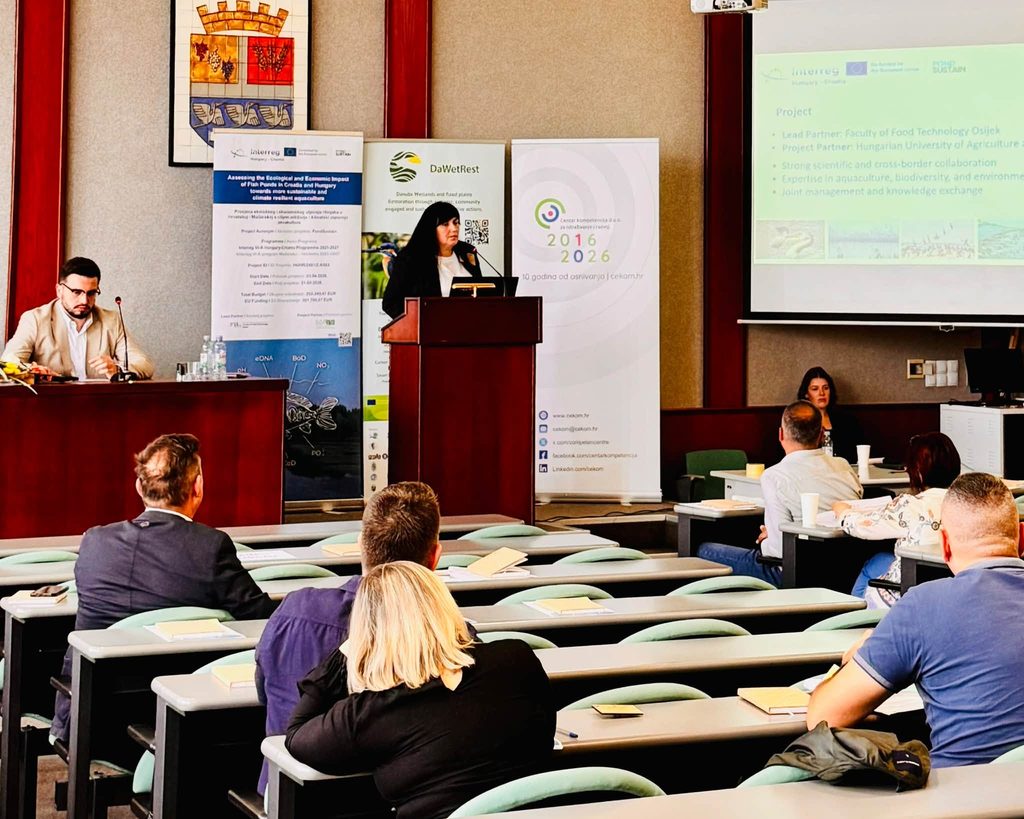
A Living Lab meeting was held in Vinkovci, organised by the Centre of Competence for Research and Development (CEKOM), within the framework of the DaWetRest – Restoration of Danube Wetlands and Floodplains through Innovative, Sustainable, Joint and Systemic Actions project. As part of the meeting programme, Prof. Mirna Habuda-Stanić, PhD, from the Faculty of Food Technology Osijek (PTFOS), Josip Juraj Strossmayer University of Osijek, presented the PondSustain project – Assessing the Ecological and Economic Impact of Fish Ponds in Croatia and Hungary towards More Sustainable and Climate-Resilient Aquaculture, together with the first results of the research activities carried out so far. The PondSustain project is implemented under the Interreg VI-A Hungary–Croatia 2021–2027 Programme, in partnership between the Faculty of Food Technology Osijek and the Institute of Aquaculture and Environmental Safety at the Hungarian University of Agriculture and Life Sciences (MATE). The project focuses on assessing the ecological and economic impact of fish ponds in Croatia and Hungary, with particular emphasis on their role in biodiversity conservation, sustainable water resource management, and the development of climate-resilient aquaculture.
The Living Lab meeting brought together representatives of the scientific and professional communities, public authorities, the business sector, civil society organisations and local stakeholders. This interdisciplinary and cross-sectoral approach is particularly important for sustainable natural resource management, as effective solutions require the integration of scientific knowledge, professional expertise and the needs of local communities. The discussions highlighted the interconnectedness of aquatic ecosystems, wetlands, fish ponds and floodplains, as well as their importance for maintaining ecological balance, conserving biodiversity and strengthening resilience to climate change. Particular emphasis was placed on translating scientific findings into practical applications and developing concrete solutions that contribute to the sustainable management of water and natural resources. Participation in this event provided a valuable opportunity to present the activities and initial research results of the PondSustain project, exchange knowledge and experience, and explore opportunities for further cooperation with stakeholders involved in the protection and restoration of aquatic and wetland ecosystems.


PondSustain Research Results Presented at the 21st Ružička Days Conference in Vukovar, Croatia
September 10, 2026 by Mirna Habuda-Stanić
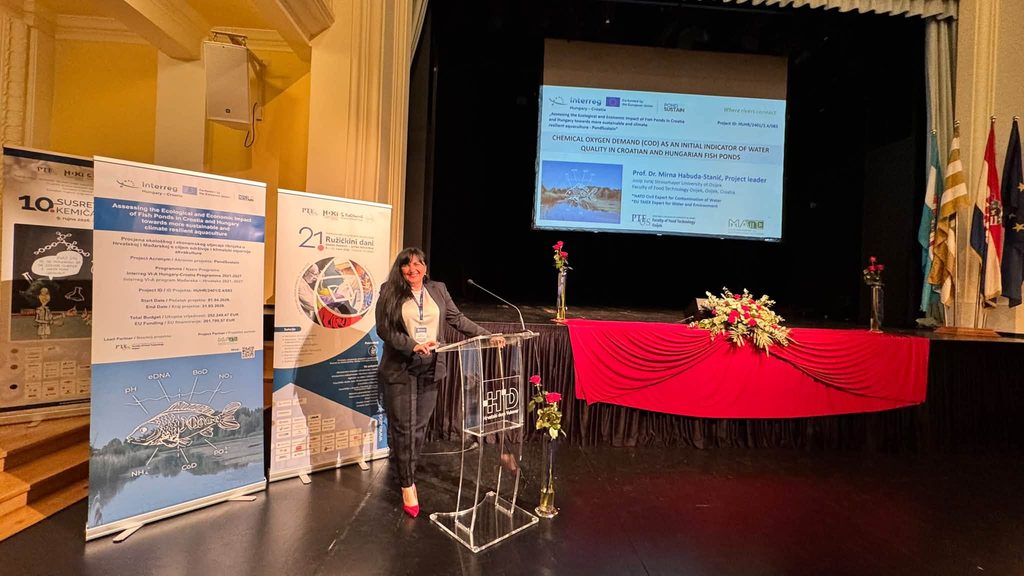
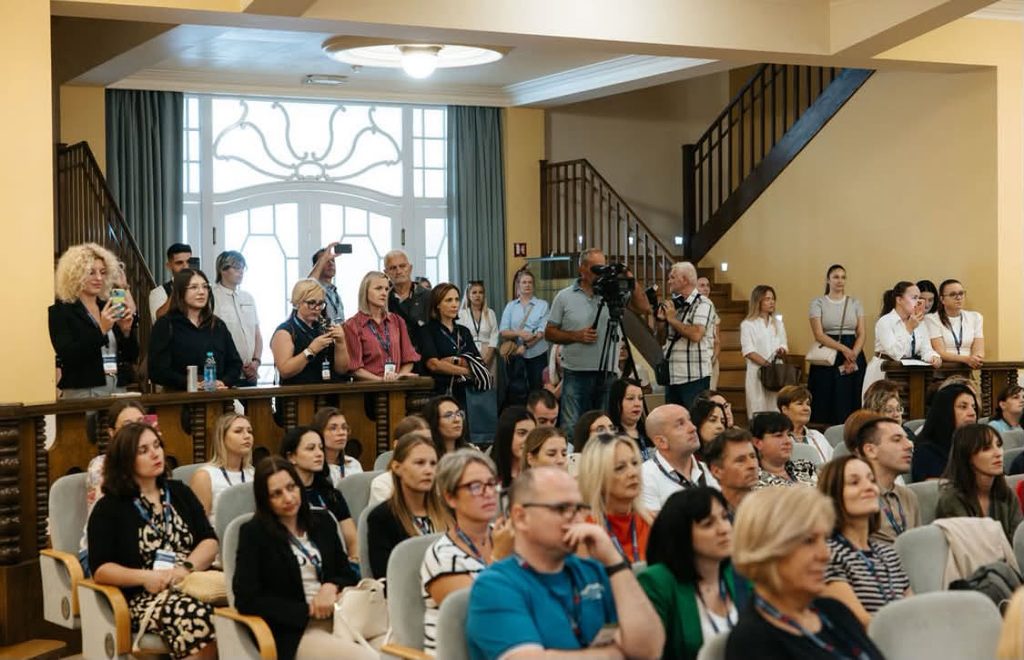
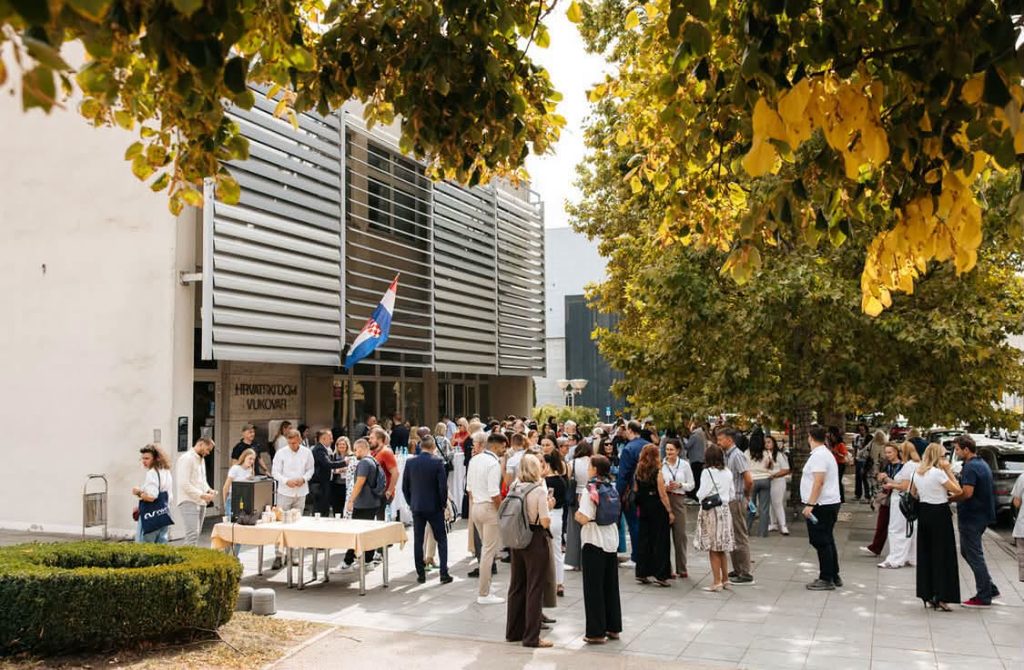
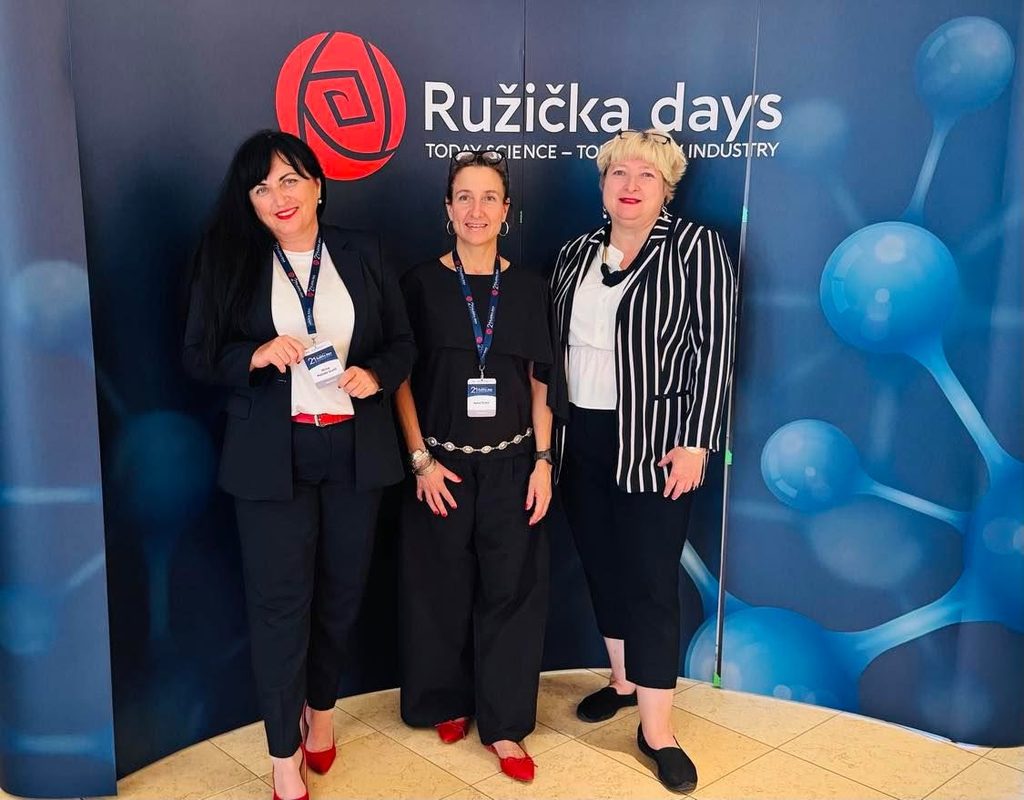
The 21st International Scientific and Professional Conference “Ružička Days – Science Today, Industry Tomorrow” was held from 9 to 11 September 2026 in Vukovar, Croatia, the birthplace of Nobel Prize laureate Lavoslav Ružička. Organised by the Faculty of Food Technology Osijek, the conference brought together researchers, professionals, representatives of educational institutions and industry to exchange knowledge, experiences and ideas and to strengthen the links between science, education and the economy. The conference provided an important opportunity to present the first research results of the Interreg PondSustain project, highlighting the value of cross-border cooperation in addressing challenges related to sustainable fish pond management and water quality.
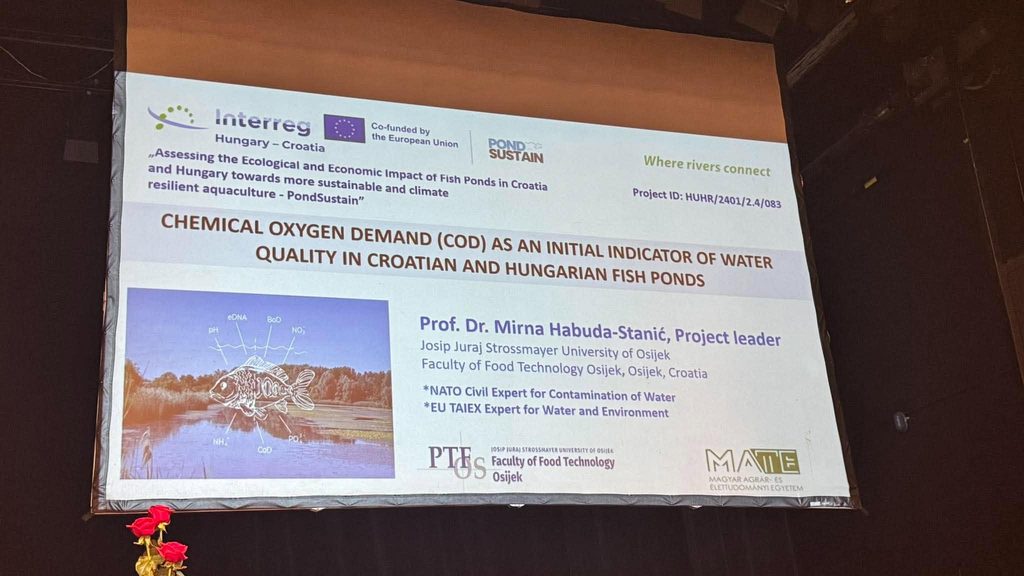
Prof. Mirna Habuda-Stanić, PondSustain Project Leader, presented the results of the research conducted in Croatian and Hungarian fish ponds in an oral presentation entitled “Chemical Oxygen Demand (COD) as an Initial Indicator of Water Quality in Croatian and Hungarian Fish Ponds.” The presentation focused on the potential of chemical oxygen demand (COD) as an initial indicator for assessing water quality in fish ponds. The findings generated considerable interest among conference participants and provided an opportunity for discussion on the implications of the initial results for sustainable pond management. Participation in the Ružička Days conference also contributed to the wider dissemination of the PondSustain project and its objectives, while creating an opportunity for researchers and professionals to exchange perspectives and explore opportunities for further cooperation. The theme of this year’s conference, “Science Today, Industry Tomorrow,” underlined the importance of translating scientific knowledge and innovation into practical solutions. This approach is closely aligned with the objectives of the PondSustain project, which seeks to strengthen knowledge, cooperation and sustainable practices across the Croatian-Hungarian border region. By presenting its first research findings at this long-standing scientific and professional gathering, PondSustain further strengthened the visibility of the project and demonstrated the importance of collaborative research in supporting more sustainable and resilient fish pond management.

PondSustain Kick-off Conference Successfully Held at the Faculty of Food Technology Osijek
June 16, 2026 by Mirna Habuda-Stanić
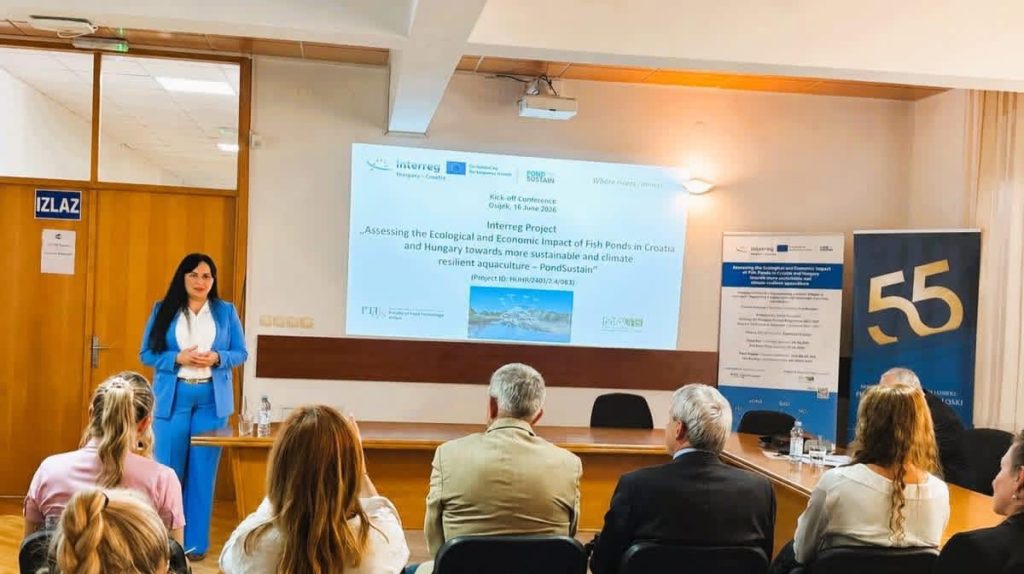
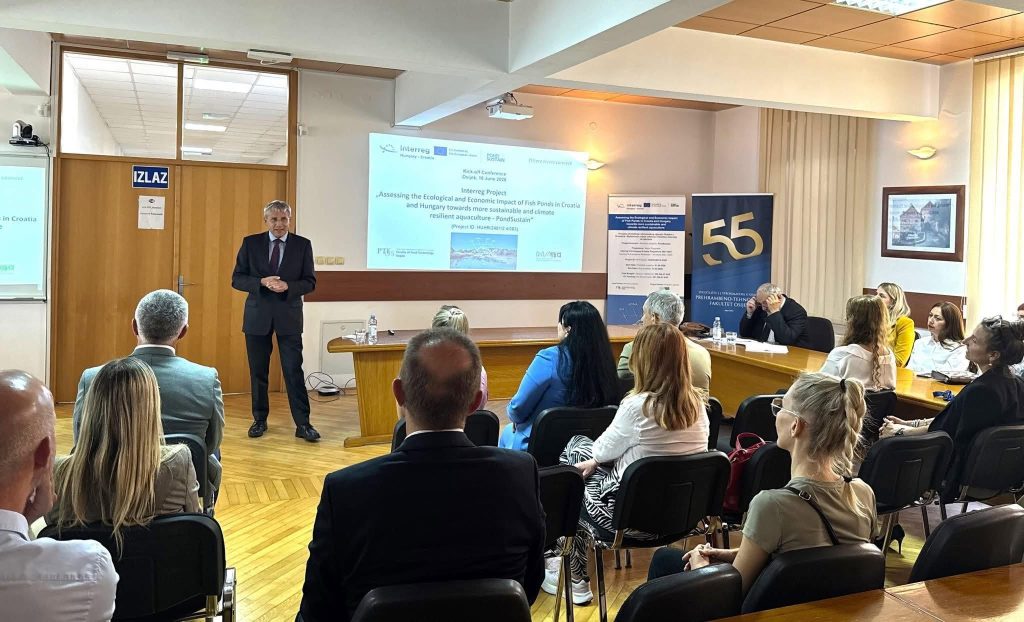
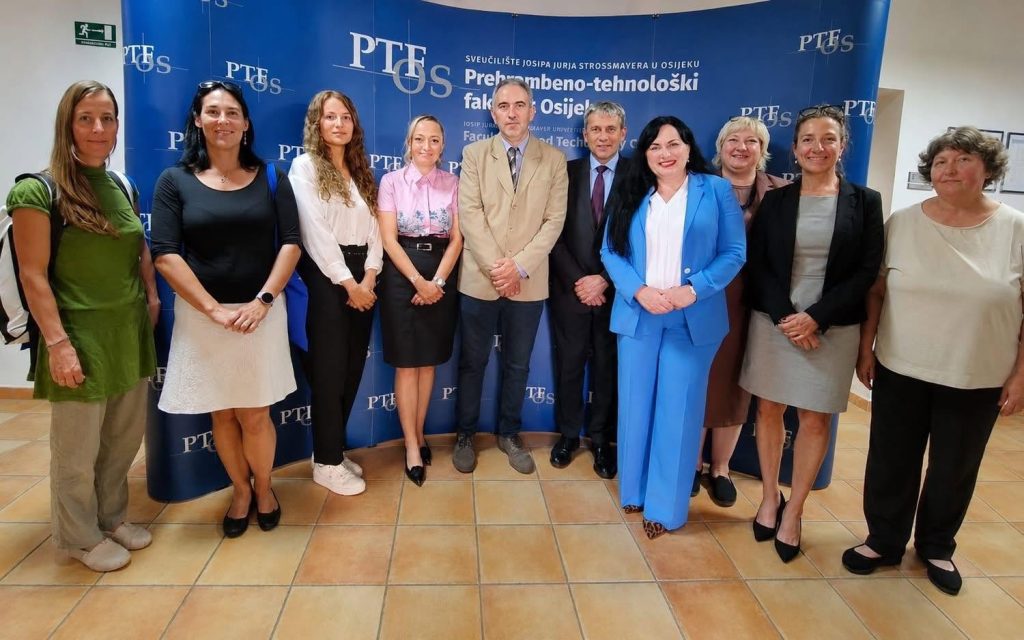
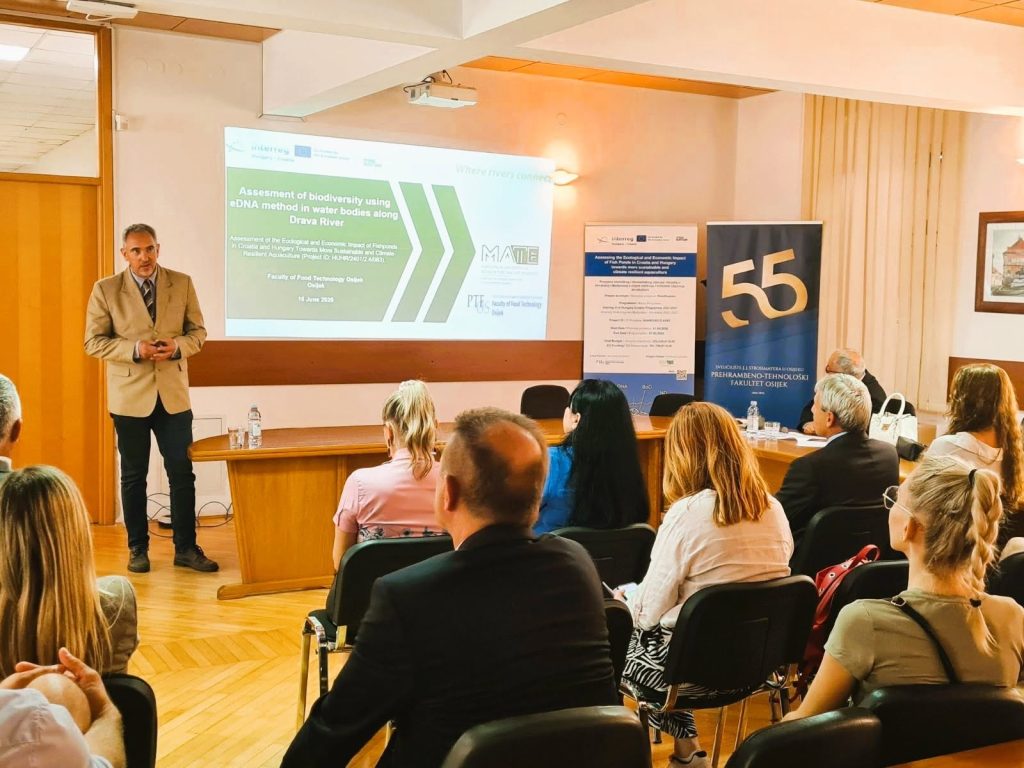
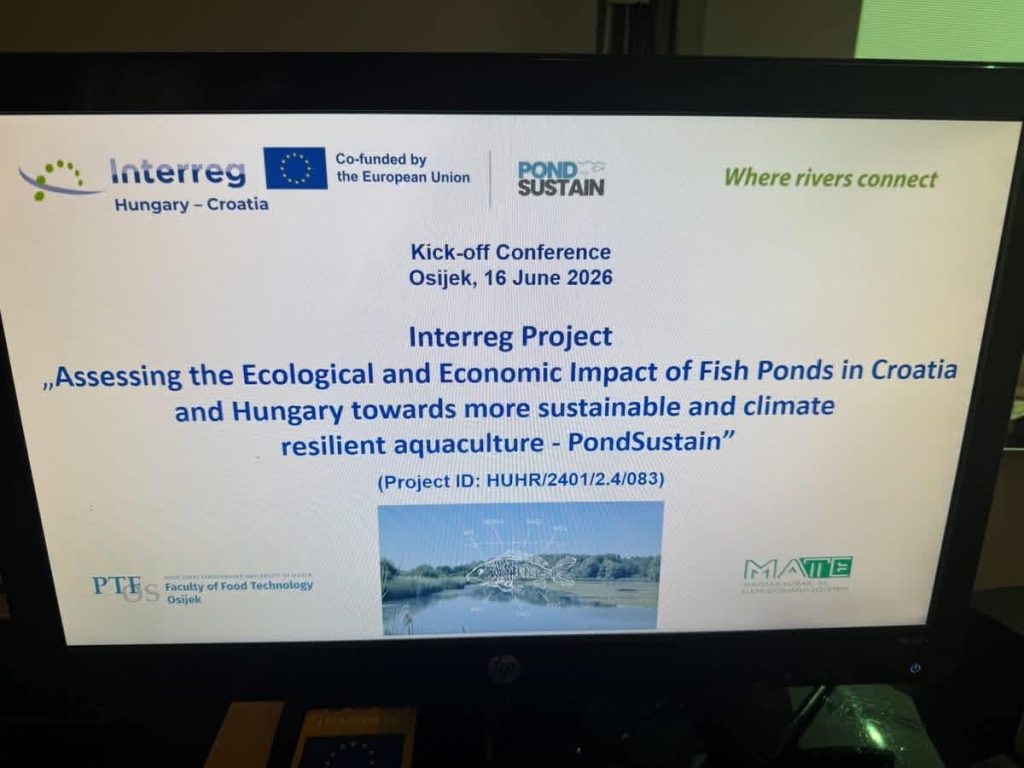
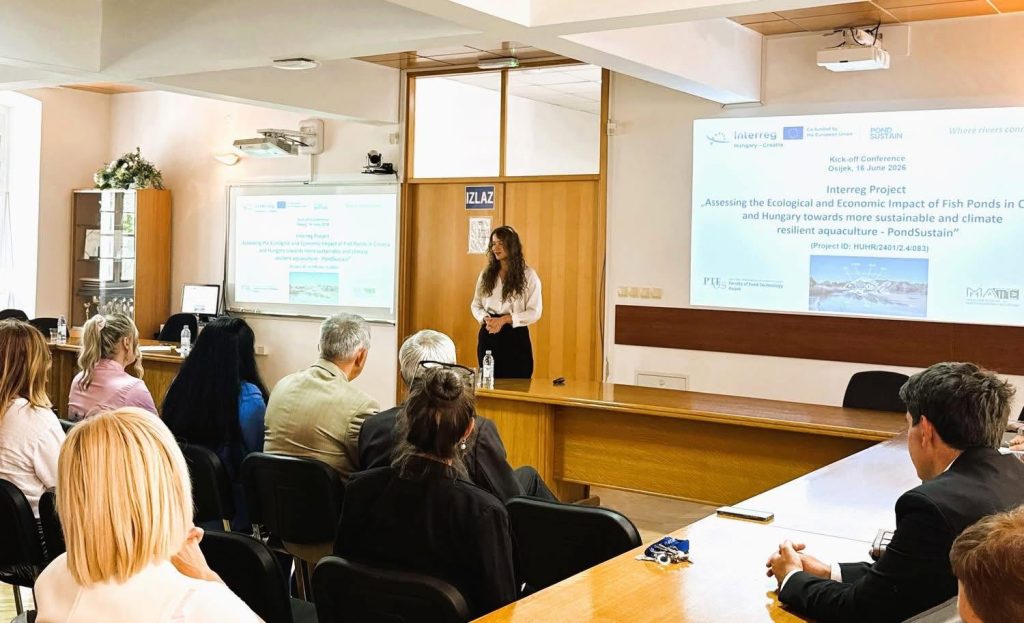
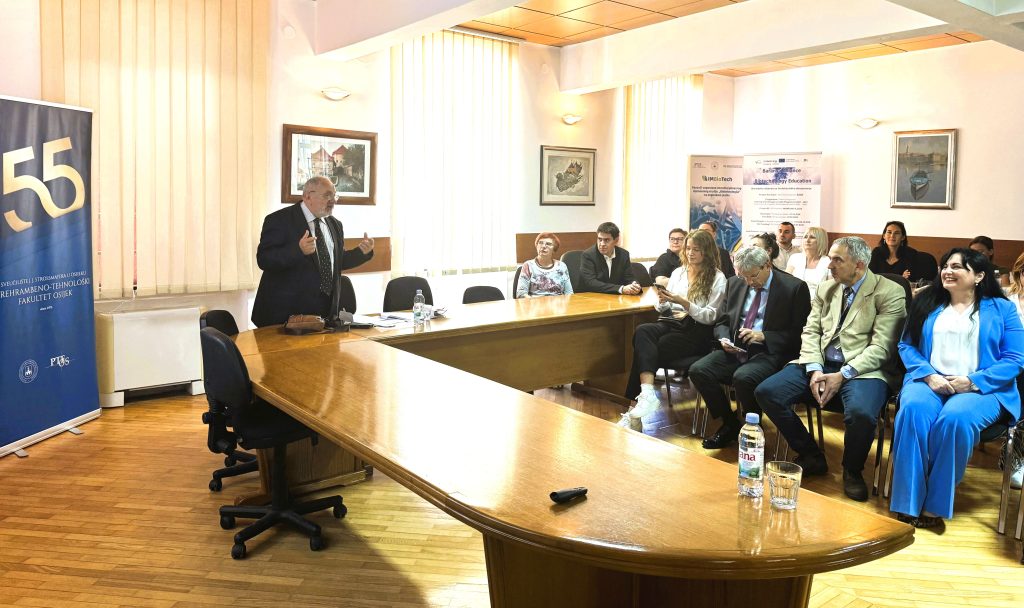
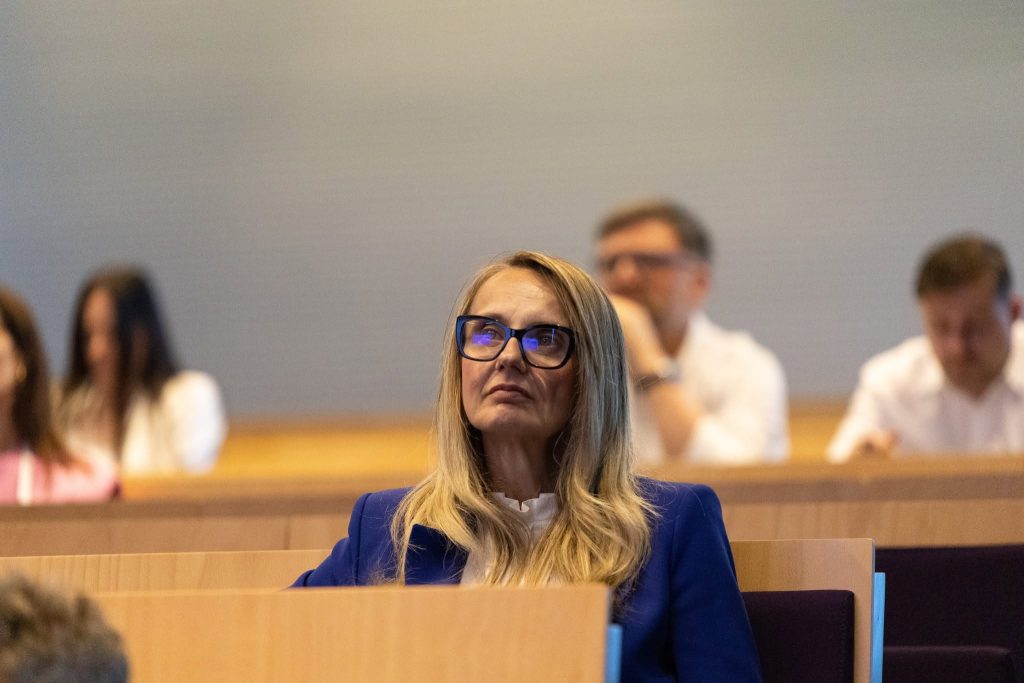
The Faculty of Food Technology Osijek (PTFOS) successfully hosted the Kick-off Conference of the PondSustain – Assessment of the Ecological and Economic Impact of Fishponds in Croatia and Hungary Towards More Sustainable and Climate-Resilient Aquaculture project, officially marking the beginning of this important cross-border initiative under the Interreg VI-A Hungary–Croatia Programme 2021–2027. The conference brought together scientists, project partners, institutional representatives, and stakeholders from Croatia and Hungary to present the project’s objectives, planned activities, and expected contributions to sustainable aquaculture, biodiversity conservation, and climate resilience. The conference was officially opened by Tina Vlasić, Programme Manager of the Interreg VI-A Hungary–Croatia Programme, while the event was moderated by Dr. Tibor Santo, President of the Council of the Hungarian National Minority of the City of Osijek and a long-standing promoter of Croatian–Hungarian cooperation.
Participants had the opportunity to attend presentations by Prof. Dr. Mirna Habuda-Stanić, Project Coordinator, who introduced the PondSustain project, and Prof. Tamás Molnár from the Hungarian University of Agriculture and Life Sciences (MATE), who presented the application of environmental DNA (eDNA) methods for biodiversity assessment in freshwater ecosystems. The conference was attended by numerous distinguished guests from public institutions, academia, and the aquaculture sector, including representatives of the Ministry, regional authorities, research institutions, and industry. The event was particularly honoured by the presence of Mr. János Magdó, Consul General of Hungary, whose attendance highlighted the importance of scientific cooperation between Croatia and Hungary. The Kick-off Conference provided an excellent platform for knowledge exchange, networking, and strengthening partnerships, laying the foundation for the successful implementation of the PondSustain project and its contribution to sustainable and climate-resilient aquaculture in the Croatia–Hungary cross-border region.

First Joint Field Sampling Campaign Successfully Completed within the PondSustain Project
June 11, 2026 by Mirna Habuda-Stanić
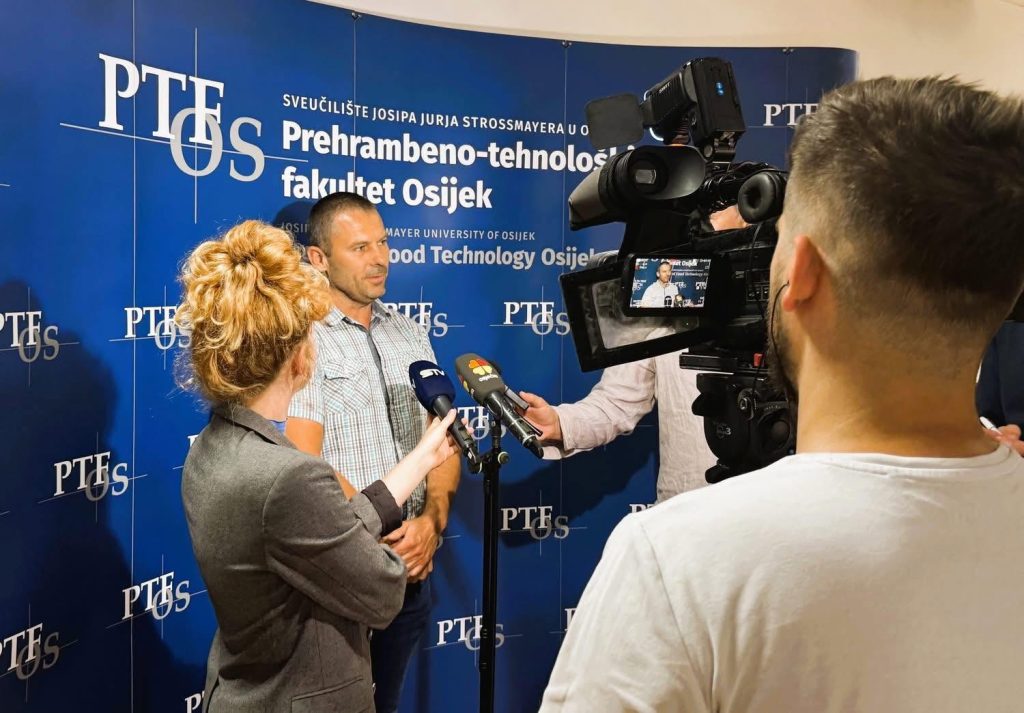
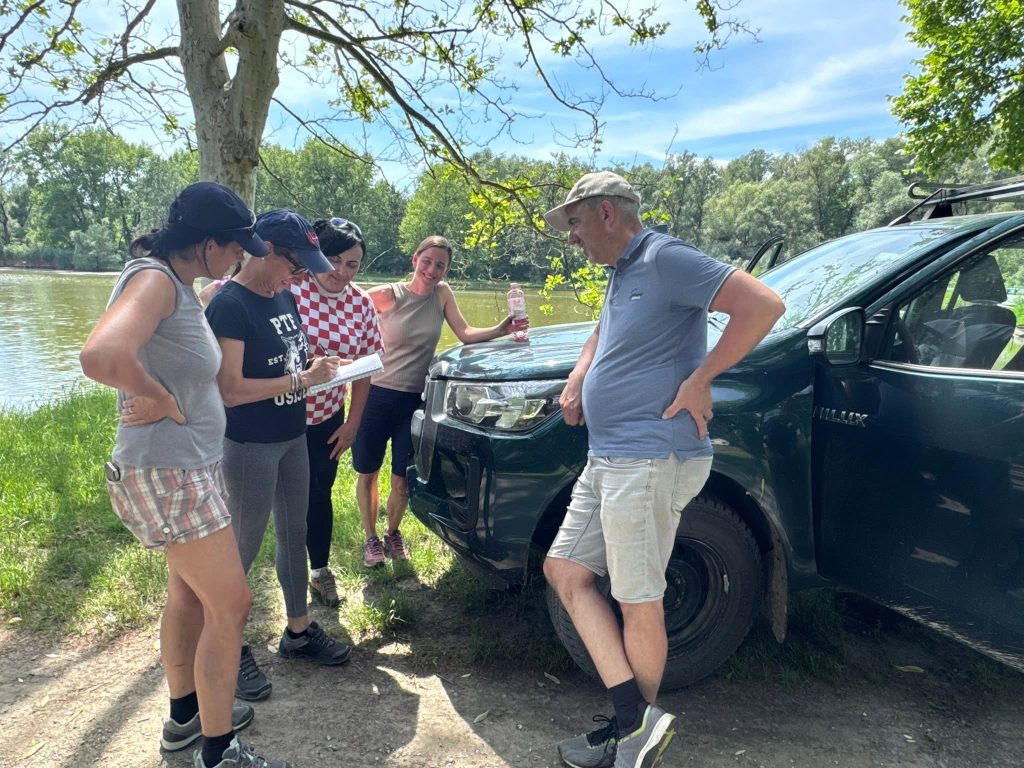
The first joint field sampling campaign of the PondSustain – Assessing the Ecological and Economic Impact of Fish Ponds in Croatia and Hungary towards More Sustainable and Climate-Resilient Aquaculture project was successfully carried out between 8 and 10 June 2026 by researchers from the Faculty of Food Technology Osijek (PTFOS) and the Hungarian University of Agriculture and Life Sciences (MATE). The campaign included 13 sampling locations—six commercial fish ponds in Croatia (Donji Miholjac and Zdenci–Grudnjak) and seven fish ponds and oxbow lakes in Hungary (including Muraszemenye, Barcs, Szaporca, and Pécs). Following the agreed project methodology, water samples were collected at three representative points at each location: the water inlet, the fish pond, and the water outlet, resulting in a total of 39 water samples. The collected samples will be analysed to evaluate water quality and, together with environmental DNA (eDNA) analyses, will provide valuable information on fish biodiversity, endangered and invasive species, ecosystem interactions, and the ecological impacts of fishpond management. This first joint field campaign represents an important milestone in the implementation of the PondSustain project, demonstrating the strong scientific cooperation between PTFOS and MATE. The results will contribute to evidence-based recommendations for more sustainable and climate-resilient aquaculture while supporting the conservation of freshwater ecosystems in the Croatia–Hungary cross-border region.
PondSustain Project Presented at the 4th European GREEN Conference 2026
May 29, 2026 by Mirna Habuda-Stanić
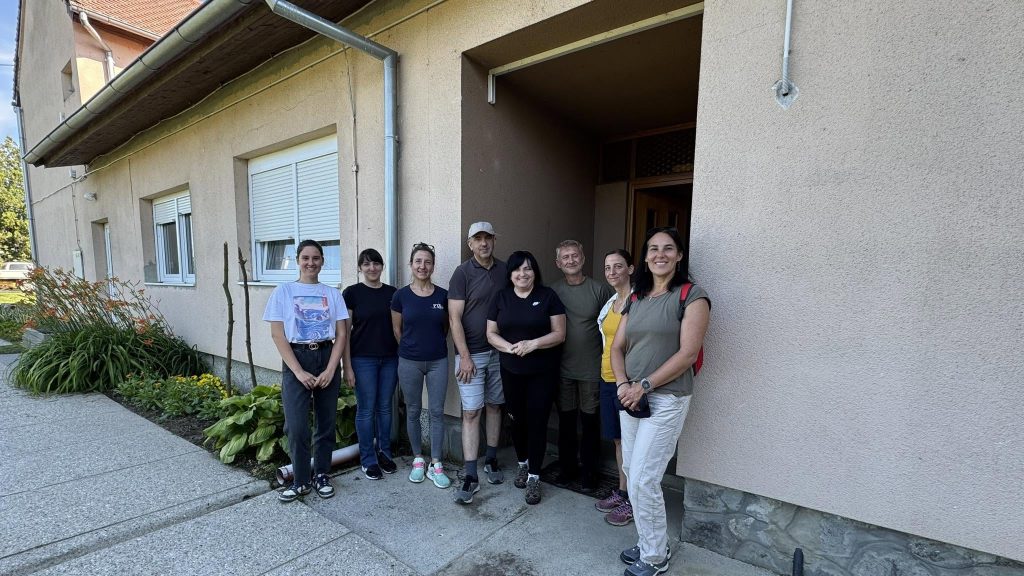
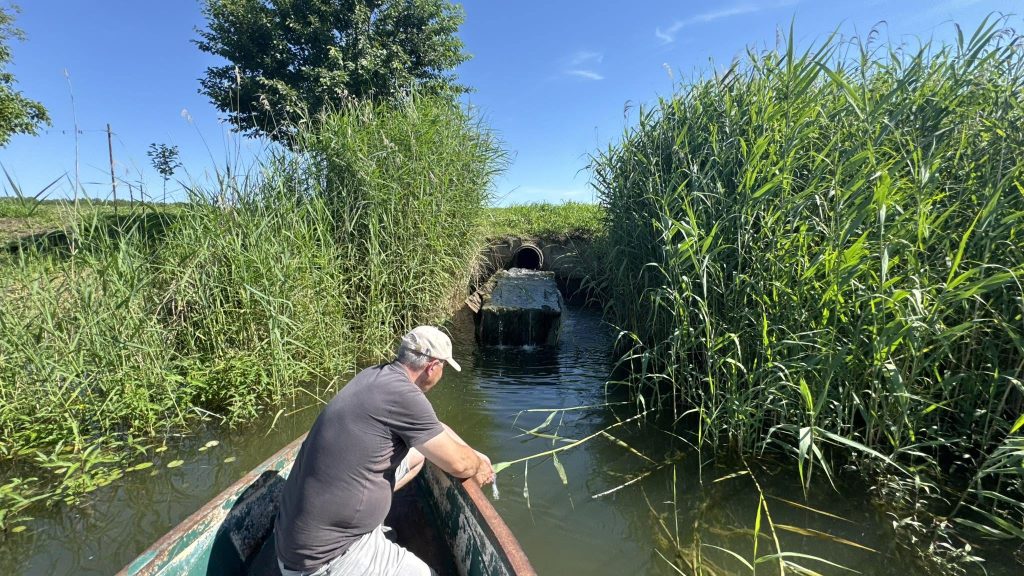
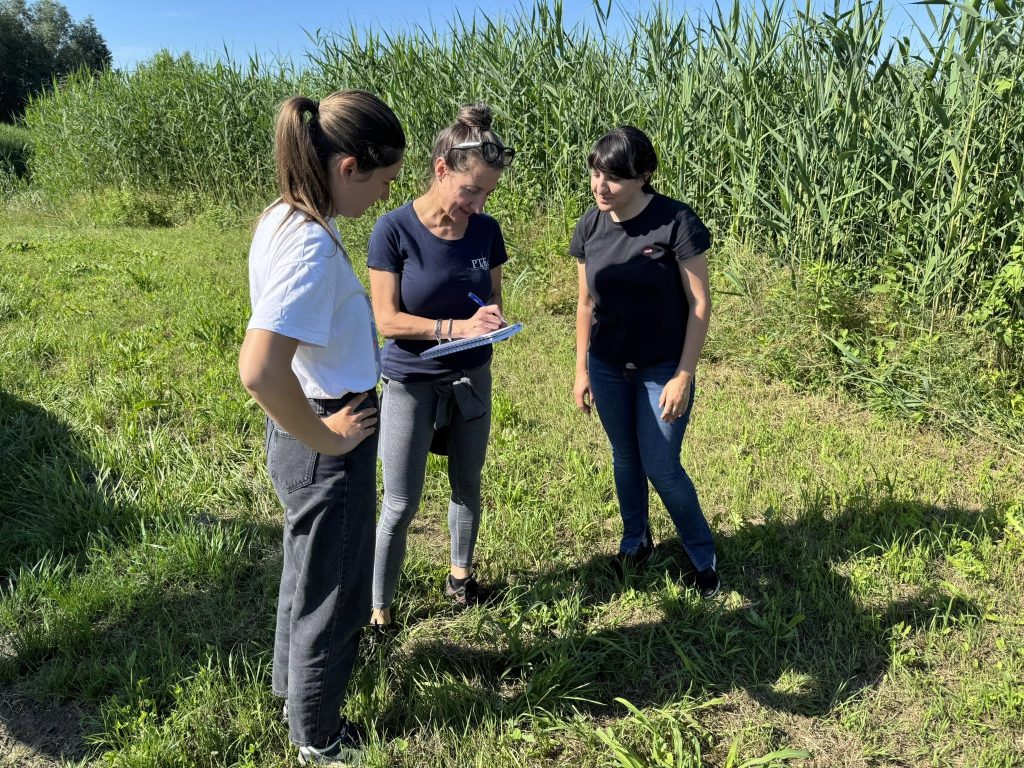
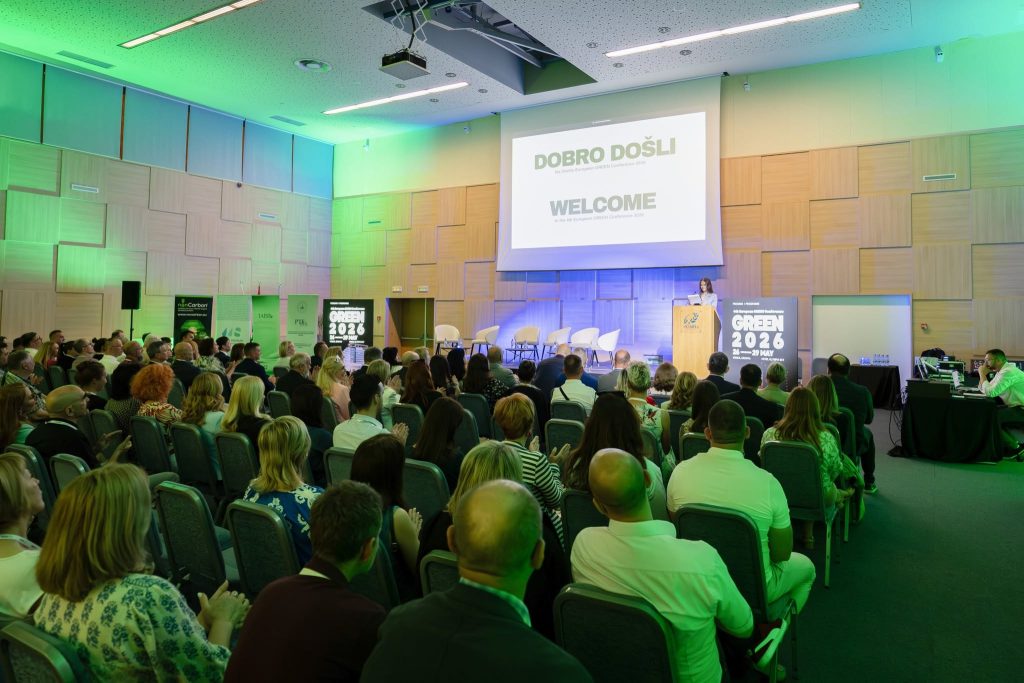
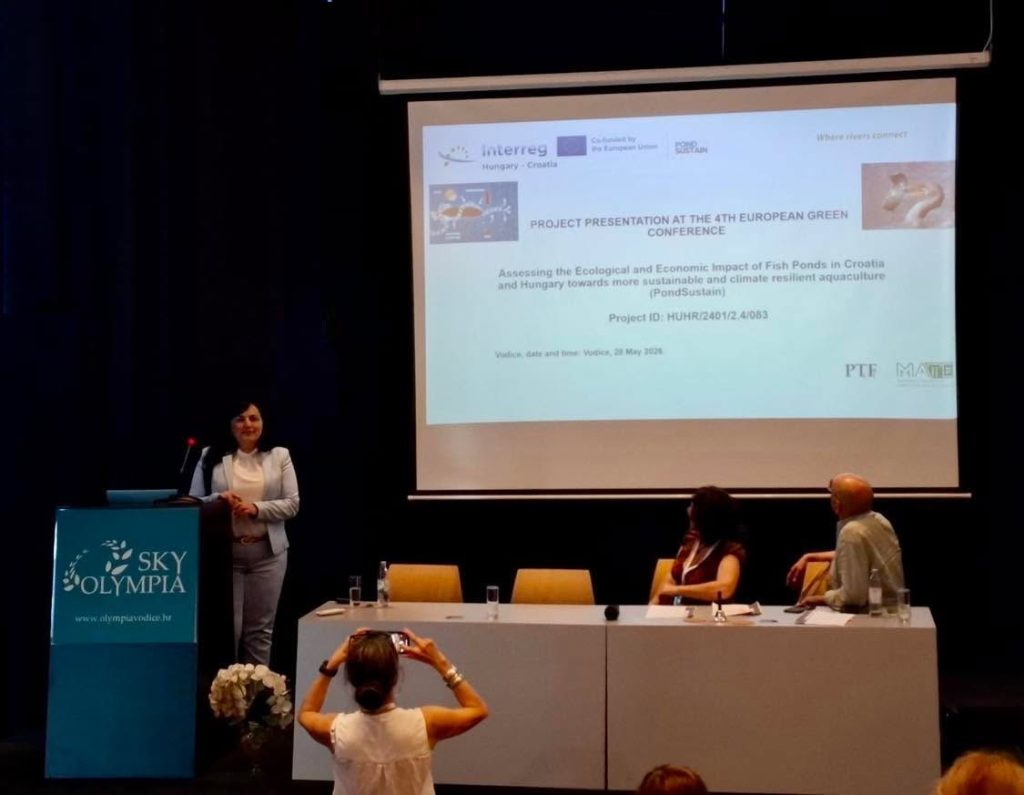
The PondSustain – Assessing the Ecological and Economic Impact of Fish Ponds in Croatia and Hungary Towards More Sustainable and Climate-Resilient Aquaculture project was successfully presented at the 4th European GREEN Conference (GREEN 2026), held in Vodice, Croatia. As part of the conference programme, PondSustain was showcased in the GREEN Project Zone, a dedicated exhibition area featuring 11 national and international projects that promote innovative approaches to environmental protection and sustainable development. The project was presented through an oral presentation highlighting its objectives, planned activities, expected results, and its contribution to sustainable aquaculture, biodiversity conservation, and cross-border cooperation between Croatia and Hungary. GREEN 2026 brought together 290 authors from 17 countries and 88 institutions, who presented 96 scientific papers addressing current challenges related to climate change, water management, environmental protection, sustainability, the European Green Deal, and the United Nations Sustainable Development Goals. The presentation of the PondSustain project attracted considerable interest from researchers, environmental professionals, public authorities, and other stakeholders, providing valuable opportunities for scientific exchange, networking, and future collaboration. Participation in the GREEN Project Zone significantly increased the visibility of the PondSustain project and supported the dissemination objectives of the Interreg VI-A Hungary–Croatia Programme 2021–2027, reaffirming the importance of cross-border cooperation in developing innovative and sustainable solutions for freshwater ecosystems and climate-resilient aquaculture.



Successful First Partner Meeting of the PondSustain Project
April 21, 2026 by Mirna Habuda-Stanić
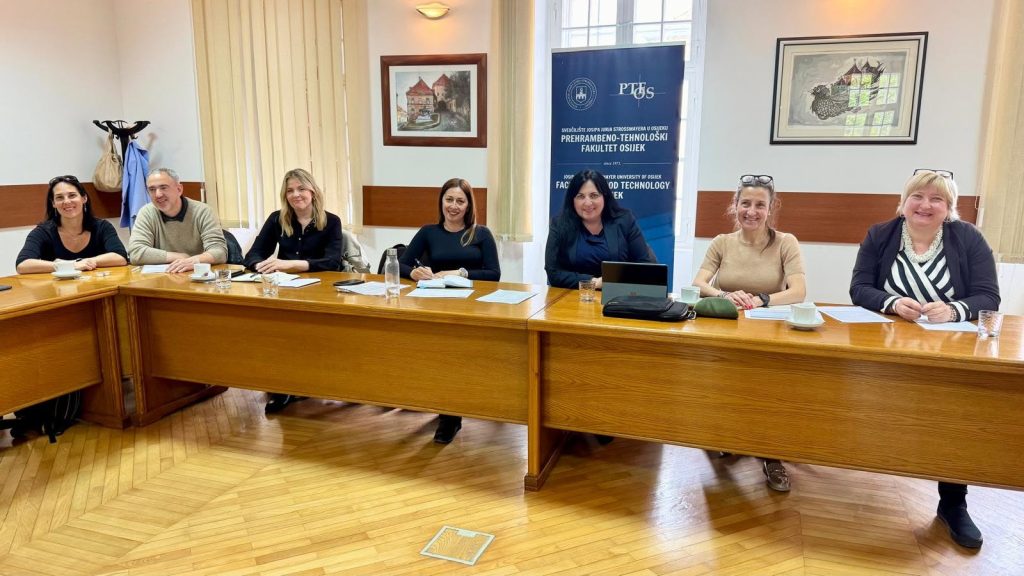
The first partner meeting of the PondSustain – Assessing the Ecological and Economic Impact of Fish Ponds in Croatia and Hungary towards More Sustainable and Climate-Resilient Aquaculture project was successfully held, bringing together representatives of the project partners and supporting institutions to officially launch the implementation phase of the project. The meeting provided an opportunity for all partners to introduce their teams, discuss project objectives, and establish a common framework for the successful implementation of project activities over the next three years. During the meeting, partners agreed on the key elements of project implementation, including:
- the overall project timeline and activity schedule;
- the implementation plan for field sampling and scientific research;
- the methodology for environmental DNA (eDNA) analysis to monitor fish populations and aquatic biodiversity;
- coordination of cross-border cooperation between Croatia and Hungary;
- communication and dissemination activities to promote project results; and
- a framework for assessing the economic impacts of fishpond management on aquaculture and tourism.
The meeting was attended by representatives of both project partners. The Faculty of Food Technology Osijek (PTFOS) was represented by Mirna Habuda-Stanić, Project Coordinator, Dajana Gašo-Sokač, and Valentina Bušić. The Hungarian University of Agriculture and Life Sciences (MATE) was represented by Tamás Molnár and Kinga Katalin Lefler. Representatives of the Osijek-Baranja County Development Agency (ŽRA OBŽ), Ivana Kiščinal and Dora Perić, also participated in the meeting, providing valuable support in project coordination and implementation. The PondSustain project focuses on investigating the ecological and economic importance of fishpond ecosystems in the Croatia–Hungary cross-border region. Fishponds play a vital role in sustainable aquaculture, biodiversity conservation, and the provision of ecosystem services. Through interdisciplinary research, the project will assess water quality, monitor endangered and invasive fish species, evaluate the impacts of predation, and investigate ecosystem interactions using advanced scientific methods, including environmental DNA (eDNA) analysis. The successful completion of the first partner meeting marks an important milestone for the project and establishes a strong foundation for effective cooperation, joint research activities, and the achievement of the project’s objectives in promoting sustainable and climate-resilient aquaculture.
PondSustain Project Grant Agreement Officially Signed under the Interreg Hungary–Croatia Programme
March 21, 2026 by Mirna Habuda-Stanić
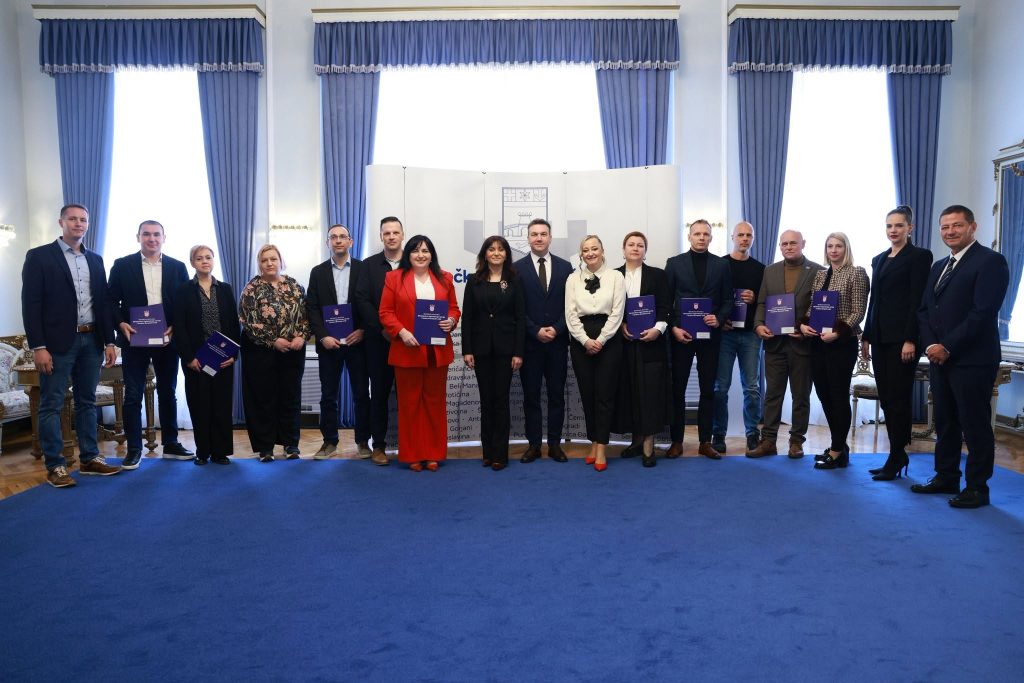
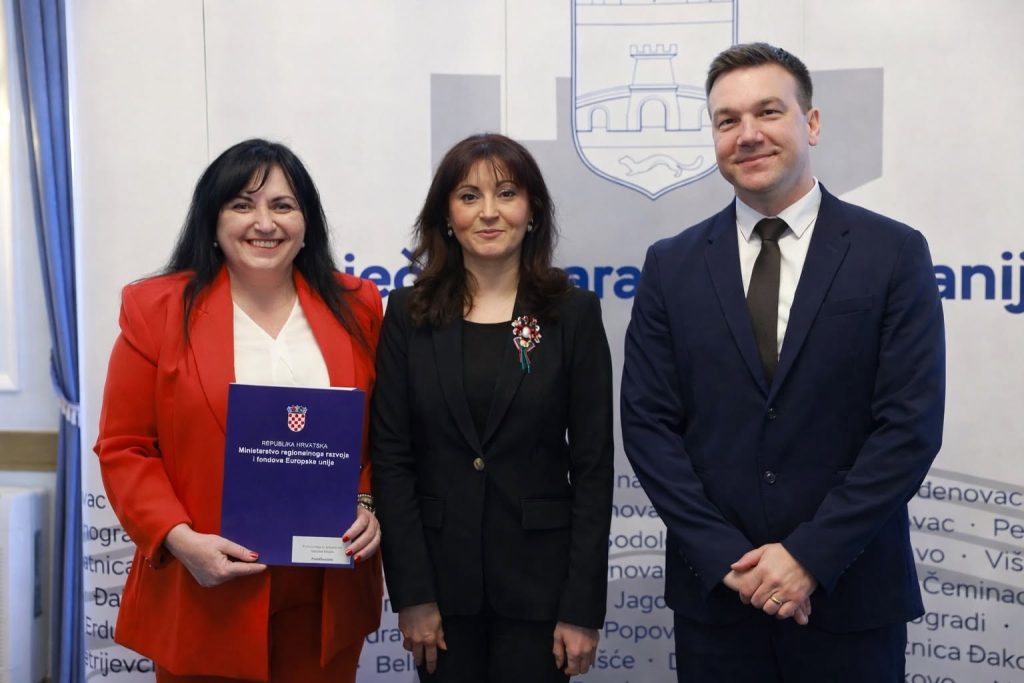
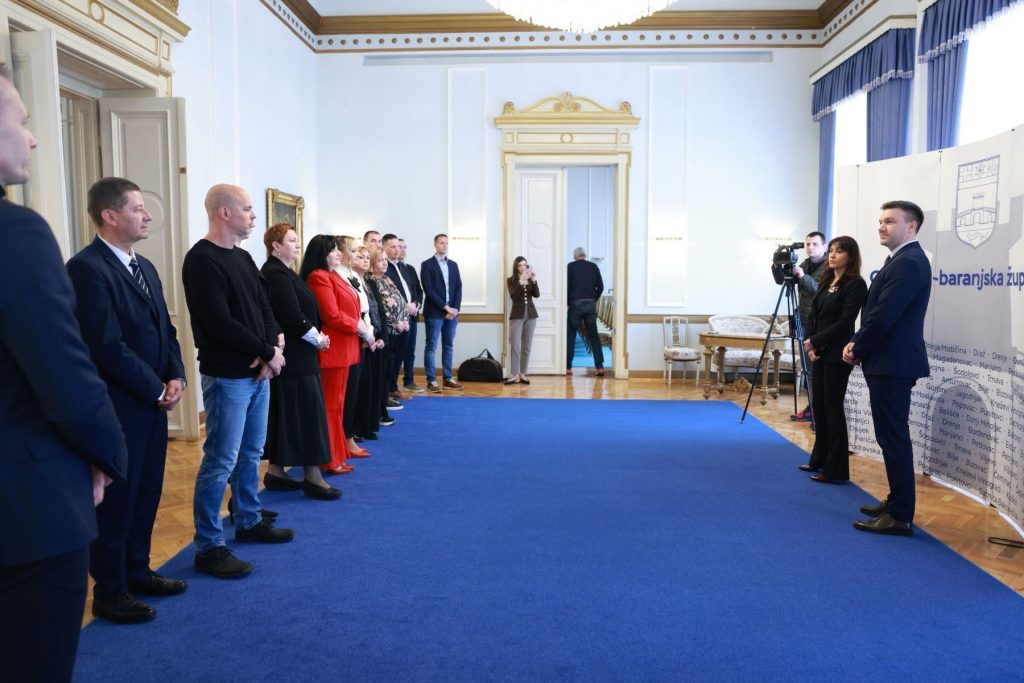
21 March 2026, Osijek, Croatia – The PondSustain project has officially entered its implementation phase following the signing of the Grant Agreement under the Interreg VI-A Hungary–Croatia Programme 2021–2027. The official grant award ceremony was held at the premises of the Osijek-Baranja County, where beneficiaries from the region received their project agreements financed through the Interreg Hungary–Croatia Programme. On behalf of the Faculty of Food Technology Osijek, Dean Prof. Stela Jokić signed the Grant Agreement for the PondSustain project, led by Prof. Dr. Mirna Habuda-Stanić. The PondSustain project, with a total value of €252,249.47, aims to assess the ecological and economic impact of fishponds in Croatia and Hungary and to support the development of more sustainable and climate-resilient aquaculture through cross-border scientific cooperation. The grant agreements were formally presented by State Secretary Domagoj Mikulić from the Ministry of Regional Development and EU Funds and Osijek-Baranja County Prefect Nataša Tramišak, highlighting the importance of European Territorial Cooperation programmes in strengthening regional development and international collaboration. The PondSustain project team would like to express its sincere appreciation to the Osijek-Baranja County Development Agency for its professional support and valuable contribution throughout the project preparation process, which significantly contributed to the successful approval of the project. The official signing of the Grant Agreement marks an important milestone for the project and lays the foundation for the implementation of joint research activities, environmental monitoring, stakeholder cooperation, and the promotion of sustainable aquaculture practices in the Croatia–Hungary cross-border region.
This website has been produced with the financial assistance of the European Union through the Interreg VI-A Hungary-Croatia Programme. The content of the website is the sole responsibility of the University of Osijek Faculty of Food Technology Osijek and can under no circumstances be regarded as reflecting the position of the European Union and/or the Managing Authority of the Programme.